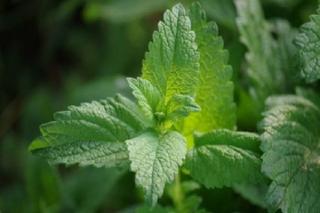
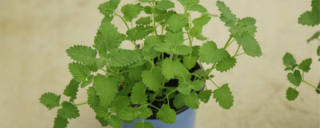
While both peppermint (Mentha × piperita) and spearmint (Mentha spicata) belong to the Lamiaceae family, their fundamental botanical differences dictate distinct care approaches. Peppermint is a sterile hybrid, a cross between watermint (Mentha aquatica) and spearmint. This hybrid vigor makes it notoriously aggressive. Its rhizomes (underground stems) spread rapidly and extensively, often overwhelming nearby plants. Spearmint, a true species, is also vigorous but generally less invasive than peppermint. It spreads via both stolons (above-ground runners) and rhizomes, but its growth tends to be slightly more clumping in nature compared to the relentless underground march of peppermint. This key difference is the primary reason for the universal recommendation to grow both, but especially peppermint, in containers to prevent them from taking over a garden bed.
Both mints thrive in similar light conditions, preferring full sun to partial shade. However, there are subtle nuances. In regions with very hot summers, spearmint often appreciates afternoon shade more than peppermint to prevent leaf scorch. Peppermint, with its higher menthol content, seems slightly more tolerant of intense sun. Regarding temperature, both are cold-hardy perennials (USDA zones 3-8 for peppermint, 4a-11 for spearmint). Peppermint can typically withstand colder winter temperatures, dying back to the ground and re-emerging in spring. Spearmint is also hardy but may be more susceptible to damage in the colder end of its range without a protective layer of mulch.
The watering needs of these two mints highlight a significant care difference rooted in their ancestry. Peppermint, with watermint as one of its parents, has a higher demand for consistent moisture. It prefers soil that remains evenly moist and will visibly wilt if allowed to dry out completely. Spearmint is more drought-tolerant once established. While it certainly enjoys moist soil, it can handle brief periods of dryness better than peppermint. For both, well-draining soil is non-negotiable to prevent root rot. They are not particularly fussy about soil fertility, growing adequately in average garden soil. However, spearmint is known to be more tolerant of a wider range of soil pH and poorer soil conditions compared to peppermint, which performs best in a rich, loamy, and consistently moist medium.
Pruning practices are similar but are done for slightly different emphases. For both plants, frequent harvesting is the best form of pruning. Pinching off the tips encourages a bushier, more compact growth habit. However, with peppermint's extreme vigor, diligent pruning is even more critical to manage its spread if not container-grown. Allowing either mint to flower will signal the plant to slow leaf production and can lead to a leggy appearance. The timing of harvest for optimal flavor differs slightly. Peppermint's volatile oils, including menthol, are most concentrated just as the flower buds begin to form. Spearmint's characteristic carvone flavor is also best at this stage, but the plant may retain its quality for a slightly longer window before flowering compared to peppermint. Regular cutting back of spearmint after harvest helps prevent it from becoming woody at the base, a trait to which it is more prone than peppermint.