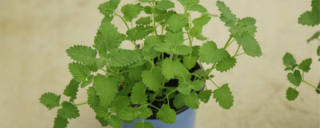
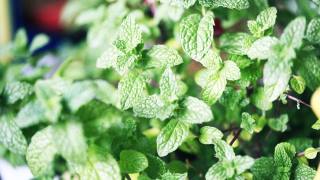
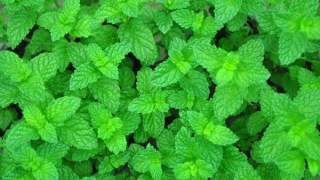
From a plant's perspective, coffee grounds are a complex and potent amendment to its immediate environment. They are not a simple fertilizer but a substance that can significantly alter the soil's physical and chemical properties. For a mint plant (Mentha spp.), which is a hardy, fast-growing perennial, the introduction of coffee grounds presents both opportunities and risks. The key lies in understanding the two primary roles of coffee grounds: as a source of slow-release nutrients and as an organic material that affects soil pH and texture. Mint plants thrive in rich, moist soil with good drainage, so any amendment must be evaluated against these core needs for survival and vigorous growth.
The most significant benefit coffee grounds offer to a mint plant is nitrogen. As coffee grounds decompose, they undergo a process where soil microbes break them down, gradually releasing nitrogen into the soil. Nitrogen is a critical macronutrient for mint, essential for producing the chlorophyll needed for photosynthesis and for supporting the rapid growth of its leafy stems. This slow-release nature is advantageous, as it provides a steady, gentle supply of nutrients rather than a sudden surge that could harm the plant. Furthermore, the coarse texture of used coffee grounds can help improve soil aeration when mixed in sparingly, preventing compaction and allowing oxygen to reach the roots. Some gardeners also anecdotally report that the scent of coffee can deter common pests like slugs and ants, creating a more favorable environment for the mint to grow without being eaten.
Despite the potential benefits, the risks associated with coffee grounds are substantial from a plant's standpoint. The most commonly cited risk is soil acidification. While fresh coffee grounds are acidic, used grounds are nearly neutral in pH. However, the decomposition process itself can temporarily acidify the immediate soil environment. Mint plants prefer a soil pH that is slightly acidic to neutral (6.0 to 7.0). A significant, sustained drop in pH outside this range can lock up essential nutrients, making them unavailable to the plant's roots and leading to deficiencies. A more immediate physical threat is moisture retention. Coffee grounds are fine and can form a dense, compact layer on the soil surface if applied too thickly. This layer can act like a crust, preventing water from penetrating and, at the same time, trapping too much moisture against the stem and roots. For a mint plant that enjoys moist but well-drained soil, this creates a high risk of root rot and fungal diseases. Additionally, coffee grounds contain compounds like caffeine and tannins, which can have allelopathic effects—meaning they can inhibit the germination and growth of other plants. While established mint is robust, these compounds could potentially stress the plant or hinder the growth of nearby seedlings.
For a mint plant to safely benefit from coffee grounds, the application method is crucial. The plant's root system would be stressed by a thick, fresh layer of grounds dumped directly at its base. Instead, the mint would fare much better if the grounds were properly composted first. In a compost bin, coffee grounds break down fully alongside other organic materials like leaves and grass clippings. This process neutralizes any potential allelopathic compounds, stabilizes the pH, and transforms the grounds into a rich, safe humus. This finished compost can then be mixed into the soil around the mint, providing a balanced nutrient boost without the risks. If using fresh, used grounds, the mint plant would tolerate a very thin sprinkling (no more than a quarter-inch layer) worked gently into the topsoil, followed by a layer of mulch to prevent caking. This should be an infrequent treatment, not a regular practice. The plant's response—vibrant green growth versus yellowing leaves—will be the ultimate indicator of whether the amendment is beneficial or harmful.