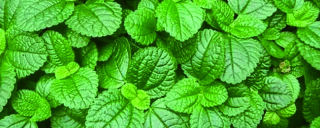
From my roots' perspective, your decision to grow me hydroponically is a welcome one. In the wild, my existence is a constant struggle for the perfect balance of water, nutrients, and oxygen. Soil can be unpredictable—it gets compacted, dries out unevenly, or becomes waterlogged, suffocating my delicate root system. In a well-designed hydroponic setup, these variables are eliminated. You provide me with a perfectly balanced nutrient solution directly to my roots, and a growing medium like rockwool or clay pebbles offers superb physical support while allowing ample oxygen to reach me. It's like moving from a cramped, nutrient-poor apartment to a luxury high-rise with a constant, tailored room service. This controlled environment allows me to focus all my energy on what I do best: growing lush, aromatic leaves for you.
I may look simple above the surface, but my nutritional needs are specific. I require a balance of macronutrients—Nitrogen (N) for vigorous leaf growth, Phosphorus (P) for strong roots, and Potassium (K) for overall health—as well as essential micronutrients like iron and magnesium. A standard, balanced, water-soluble hydroponic nutrient solution is perfect for me. The key factor you must monitor is the Electrical Conductivity (EC), which measures the strength of the solution. Too strong, and you'll "burn" my roots, causing tip burn and stunted growth; too weak, and I'll become pale and leggy from hunger. For a beginner, following the solution's instructions and starting at half-strength is a safe bet. Also, check the pH regularly, keeping it between 5.5 and 6.5. Outside this range, I cannot absorb nutrients efficiently, no matter how perfect your solution is. It's like being at a banquet but having a locked mouth.
As a mint plant, I thrive in abundant light. To produce the rich green color and potent oils you love, I need the equivalent of full sun. If we're indoors, this means 12-16 hours daily under a strong grow light, placed just a few inches above my top leaves. Without enough light, I will become spindly and weak as I stretch desperately towards any available source. Temperature is equally crucial. I prefer a comfortable range of 65-70°F (18-21°C). If it gets too hot, I may wilt and become stressed; if it's too cold, my growth will slow to a crawl. Finally, please don't forget the air. A gentle breeze from a small fan strengthens my stems and helps prevent fungal diseases by keeping the air around my leaves moving. Stagnant, humid air is an invitation for powdery mildew, which I despise.
The easiest and most satisfying way to begin our hydroponic journey together is for you to take a cutting from an existing mint plant. Find a healthy stem about 4-6 inches long, with several sets of leaves. Make a clean cut just below a leaf node (the bump on the stem where leaves emerge). Remove the leaves from the bottom few nodes—this is where my new roots will emerge. You can then place this cutting directly into your moist growing medium, or for faster results, let me sit in a glass of plain water until a network of white roots develops. Once my roots are an inch or two long, I am ready to be transplanted into your hydroponic system. This method of cloning ensures I will be an exact copy of the parent plant, guaranteeing the flavor profile you desire.
You may have heard that in a garden, I can be invasive. My rhizomatous roots spread with relentless enthusiasm. In a hydroponic system, this trait is a great advantage, but it needs management. My root system will grow rapidly and can potentially clog small channels or pipes in certain system designs, like a Nutrient Film Technique (NFT) setup. For a beginner, a simpler system like Deep Water Culture (DWC), where my roots dangle freely into a well-aerated reservoir, or a media-based system using a pot full of clay pebbles, is much more forgiving. It gives my roots the space they need without causing operational issues. Regular harvesting—snipping off the top sets of leaves—will encourage me to become bushy rather than tall and straggly, and it will keep my growth in check.