For the home gardener, selecting the right mint variety is key to a successful and flavorful harvest. From a botanical perspective, each type offers unique characteristics in terms of growth habit, leaf morphology, and chemical composition, which directly influence its culinary and aromatic properties. Here are five easy-to-grow varieties, examined through the lens of a plant enthusiast.
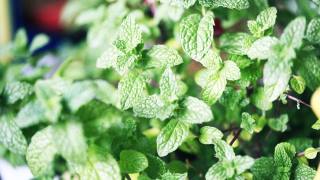
Peppermint is a sterile hybrid, a cross between watermint (Mentha aquatica) and spearmint (Mentha spicata). This parentage is crucial as it explains why peppermint does not produce true seeds and must be propagated vegetatively through cuttings or root division. The plant is characterized by its dark green, serrated leaves with reddish veins and stems. Its most defining botanical feature is its high concentration of menthol, the compound responsible for the intense, cooling sensation it is famous for. Peppermint is a vigorous, spreading perennial that thrives in partial to full sun and consistently moist soil. Its aggressive growth is due to its prolific stoloniferous (above-ground runners) and rhizomatous (below-ground stems) root system.
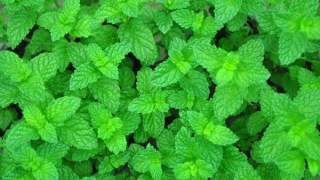
Spearmint is one of the parent species of peppermint and is a fertile species in its own right. It is easily distinguished by its bright green, sharply pointed, and crinkled leaves that are virtually hairless (glabrous). Botanically, the key difference from peppermint lies in its primary aromatic compound: carvone instead of menthol. This results in a sweeter, more subtle flavor without the intense cooling effect. Spearmint is equally vigorous and spreads via rhizomes, forming a dense mat. It is highly adaptable but prefers rich, moist soil. Its fertility means it can set seed, though propagation by division remains the most reliable method for maintaining true-to-type plants.
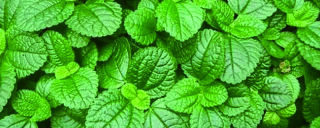
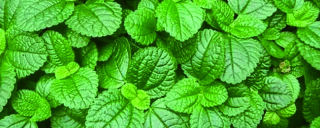
Apple mint, also known as woolly mint, is immediately recognizable by its distinctive foliage. Its rounded, light green leaves are covered in soft, downy hairs (trichomes), giving them a fuzzy, grayish appearance. This pubescence is a key identification feature. The plant's aroma is less pungent than that of peppermint or spearmint, offering a fruity, subtle apple-like scent, hence its common name. It is a robust perennial that can grow quite tall and is excellent for filling in garden spaces. Like other mints, it spreads aggressively via rhizomes. Its softer flavor profile makes it ideal for fresh uses, such as in fruit salads or garnishes.
Pineapple mint is a cultivated variety (cultivar) of apple mint, selected for its striking variegated foliage. Its leaves display a beautiful creamy-white and green pattern, making it one of the most ornamental mints for the garden. The variegation is due to a mutation that causes a lack of chlorophyll in some leaf cells. This can sometimes make the plant slightly less vigorous than its all-green relative, and it may benefit from a bit more shade to prevent the delicate white edges from scorching. The scent is a mild, fruity combination of apple mint with a hint of pineapple. It shares the same growth habit, spreading by rhizomes, but its primary appeal is visual.
Chocolate mint is a cultivar of peppermint, specifically a selection from the Mentha × piperita citrata group, which is known for its citrusy undertones. This particular form has a unique aromatic profile that blends the classic cooling menthol of peppermint with subtle, earthy notes reminiscent of dark chocolate. The leaves are typically darker green, often with a purplish tinge, and the stems can be quite purple. Its growth requirements are identical to those of standard peppermint: it is a fast-spreading perennial that prefers moist soil. It is a fantastic choice for desserts and beverages, offering a complex and intriguing flavor derived from its specific blend of essential oils.