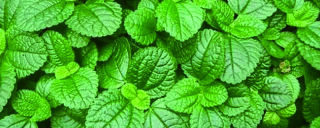
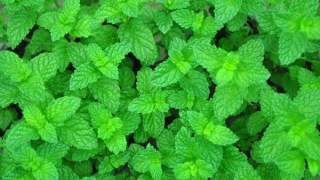
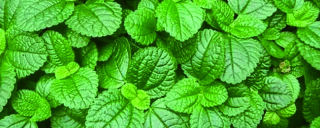
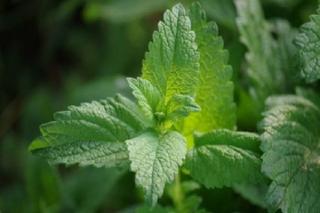
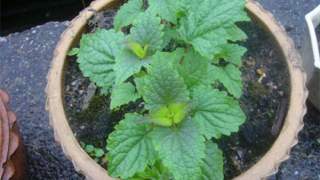
Mint (Mentha spp.) is a vigorous and aromatic perennial herb beloved by gardeners for its culinary uses and pest-repellent properties. However, from a botanical perspective, mint is a notoriously aggressive plant whose growth habits and chemical interactions significantly influence its compatibility with other garden species. Understanding these plant-to-plant relationships is key to a successful polyculture garden.
Mint's most defining characteristic is its vigorous growth via underground runners called rhizomes. These rhizomes allow mint to spread rapidly, forming dense mats that monopolize soil space, water, and nutrients. From the perspective of a neighboring plant, mint is a highly competitive bully. It will quickly outcompete less aggressive species for essential resources, often leading to their stunted growth or demise. Therefore, the primary consideration for companion planting with mint is not just chemical compatibility but physical containment. Planting mint in a sunken pot or a dedicated raised bed is the most effective way to enjoy its benefits without allowing it to overwhelm the entire garden.
Certain plants can thrive alongside mint, either because they are robust enough to withstand its competition or because they receive a tangible benefit from its presence.
2.1 The Cabbage Family (Brassicas): Plants like cabbage, broccoli, kale, and cauliflower are excellent companions for mint. Mint exudes a strong scent from its leaves, which is primarily due to compounds like menthol. This powerful aroma is highly effective at repelling common brassica pests, particularly the cabbage moth, whose larvae can decimate crops. The robust nature of these vegetables also means they are less likely to be overwhelmed by mint's growth, especially if the mint is contained.
2.2 Strong-Scented Herbs and Flowers: Mint often does well near other aromatic plants that have similar cultural needs (full sun to partial shade, moderate water). Herbs like rosemary, sage, and oregano can hold their own. Furthermore, flowers such as marigolds and nasturtiums are classic companion plants. They act as trap crops, attracting pests like aphids away from more valuable plants, and their strong scents can further confuse and deter pests, creating a synergistic effect with mint.
2.3 Tomatoes and Peppers: Many gardeners report success planting mint near tomatoes and peppers. The mint is believed to help repel aphids, flea beetles, and ants. However, this pairing requires careful management due to mint's invasiveness. The mint must be strictly contained to prevent it from choking the roots of the solanaceous plants.
Just as some plants benefit, others suffer when planted near mint. The negative effects usually stem from either intense competition or allelopathy (the release of chemicals that inhibit the growth of other plants).
3.1 Low-Growing or Less Vigorous Herbs: Delicate herbs are particularly vulnerable. Parsley, cilantro, and chamomile lack the aggressive root system to compete with mint and will almost certainly be choked out. Similarly, Mediterranean herbs like lavender and thyme, which prefer dry, sandy soil, will struggle with the moist conditions that mint thrives in, leading to root rot.
3.2 Allelopathic Concerns with Certain Vegetables: While more research is needed, some evidence suggests that mint may have allelopathic effects on certain plants. It is widely advised to avoid planting mint near parsley, as the mint may inhibit its seed germination and growth. The same caution is often extended to other members of the Apiaceae family, like carrots, though the primary issue remains resource competition rather than a confirmed chemical inhibition.