Greetings, carbon-based lifeform. I am your Mint Plant. From my humble beginnings as a rhizome or a small cutting, my sole purpose is to grow, spread, and produce the aromatic oils that make me so valuable to you. To do this, I need specific resources. You ask about the "best" fertilizer. From my perspective, the best fuel is not a single product, but a balanced, consistent supply of the right nutrients that match my unique growth habits. Let me explain what I truly need.
Like all plants, I require three key macronutrients, often represented by the NPK ratio on fertilizer packages. My ideal balance is a gentle one.
Nitrogen (N): This is the most critical element for me. Nitrogen is the primary driver of leafy, green growth. It is a fundamental component of chlorophyll, which I use to capture sunlight, and of the amino acids that build my tissues. A fertilizer with a higher first number, such as a 10-5-5 or even a 16-4-8, will encourage the lush, vibrant foliage you desire. However, too much nitrogen can lead to weak, leggy stems and can dilute the concentration of my essential oils, making me less flavorful.
Phosphorus (P): This nutrient is essential for healthy root development and energy transfer within my cells. While it's crucial for establishing my root system, especially when I'm young or after division, an excess can be detrimental. High phosphorus can inhibit my uptake of other micronutrients. A moderate amount is sufficient.
Potassium (K): Potassium is my regulator. It helps with water uptake, enzyme activation, and overall disease resistance. It ensures my stems are strong and that I can withstand minor stresses like heat or pests. A balanced amount supports my general vigor.
My growth style is aggressive and spreading. I am a perennial, meaning I come back year after year, and I grow rapidly during the active seasons. A sudden, heavy dose of synthetic fertilizer can "burn" my roots and cause a frantic, unsustainable burst of growth. Therefore, the *method* of feeding is as important as the formula itself.
I strongly prefer a slow-release fertilizer. This could be a balanced, organic granular fertilizer worked into the soil at planting time or a top-dressing of well-rotted compost or aged manure. These options break down gradually, providing a consistent, gentle supply of nutrients that mirrors a natural soil ecosystem. This steady diet supports my continuous growth without the risk of shock.
Alternatively, if you use a water-soluble fertilizer, it should be applied at half-strength every 4-6 weeks during the spring and summer. This mimics a gentle rain that washes nutrients into my soil. This method is useful for a quick pick-me-up, but it requires more diligence from you.
Fertilizer is useless to me if my soil environment is wrong. I need well-draining soil that is rich in organic matter. Compost is not just a fertilizer; it's a soil conditioner. It improves drainage while retaining moisture, hosts beneficial microbes that help me access nutrients, and provides a broad spectrum of trace minerals. My preferred soil pH is slightly acidic to neutral (6.0 to 7.0). If the pH is too high or too low, I cannot absorb nutrients effectively, even if they are present in the soil. A simple soil test can tell you if amendments are needed.
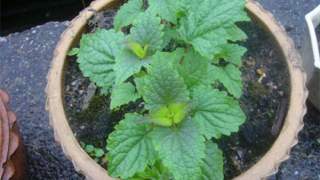
Finally, you must understand that feeding me well will make me very, very happy—and potentially unruly. My preferred method of spreading is through underground runners called rhizomes. A rich soil will encourage me to spread vigorously in all directions. If you do not want me to take over your entire garden, it is wise to plant me in a container. In a pot, my access to nutrients is limited to what you provide, making a consistent, gentle fertilizing regimen even more critical for my health and your containment goals.