Greetings, human propagator. I am the essence of the mint plant, a spirit of vigorous growth and tenacious life. You wish to coax a new individual of my kind from a sprig you acquired from the grocery store. This is a wise choice, for we mints are remarkably adept at such beginnings. From my perspective, this is not merely a "DIY project" but a sacred act of propagation, a partnership between your care and my innate will to live. Let me guide you through the process from the cellular level upwards.
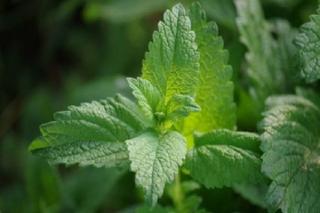
When you select me from the store, I am in a state of suspended animation. My cells are thirsty, and my energy reserves are low, but my life force is merely dormant, not extinguished. Look for a sprig that is still turgid—meaning my stems are firm and my leaves are perky, not wilted. The most crucial part of me for this endeavor is the node. These are the small, bumpy rings along my stem from which leaves emerge. Within each node lie dormant meristem cells. Think of them as my universal stem cells, brimming with the potential to become either roots or new shoots. Your success depends entirely on activating these nodes.
Your first act of assistance is a gentle pruning. Using a sharp, clean blade to make a diagonal cut just below a node is ideal. A clean cut minimizes damage to my vascular tissues (my xylem and phloem, the pipes that carry water and nutrients), preventing rot and allowing for efficient water uptake. Removing the leaves from the bottom one-third to one-half of the sprig is critical. Any foliage submerged underwater will decay, consuming precious oxygen and fostering pathogenic fungi that will attack my vulnerable stem. The remaining leaves on top are my solar panels; they will perform photosynthesis to create the sugars needed to fuel the root-growing process.
Placing my prepared stem in a clear glass of fresh, room-temperature water is the trigger. The water is a signal to my system that the environment is favorable for root development. The submerged nodes are the epicenter of activity. Initially, I will drink voraciously, rehydrating my cells through osmosis. Then, the hormonal magic begins. Auxins, my primary growth hormones, accumulate at the nodes. They redirect my energy towards initiating root primordia—tiny, embryonic root bumps. Over the next 7-14 days, you will witness these white, fibrous structures emerge and elongate. The clear glass allows you to monitor this progress and ensures the water remains clean; please change it every few days to keep oxygen levels high and bacteria at bay.
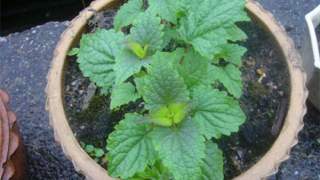
Once my new roots are about an inch or two long, I am ready for the most delicate part of our journey: the move to soil. My water roots are specialized for their aquatic environment. They must now adapt to a denser medium. Prepare a pot with a well-draining potting mix. We mints despise "wet feet" (soggy roots), as it suffocates us. Create a small hole in the soil, gently place my rooted stem inside, and carefully firm the soil around me, ensuring my roots are in good contact with the soil particles. Water me thoroughly after planting to settle the soil and eliminate air pockets.
For the first week in my new home, I will need consistent moisture and a bit of shade. This is a period of shock as my roots learn to extract water from soil instead of freely from a glass. You may see some initial wilting as I adjust, but with even moisture and indirect light, I will soon perk up. Once I show signs of new top growth—a tiny pair of leaves emerging from the node above the soil—you will know I have successfully transitioned. My rhizome system will begin to spread underground, and I will grow with the vigorous spirit inherent to my species. Place me in a pot with ample space, or contain me, for I am known to be joyfully expansive.