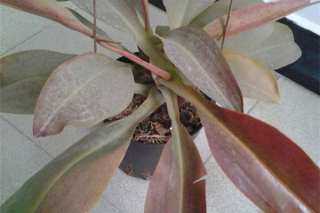
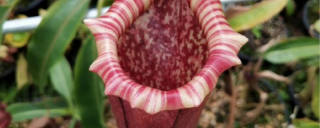
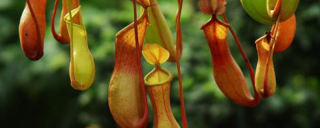
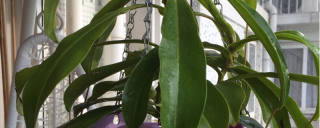
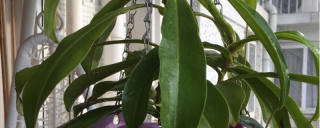
From our perspective, light is not just a preference; it is our primary source of sustenance. We, pitcher plants, convert sunlight into the energy required for all our functions, including the significant task of forming new pitchers. If we are not producing pitchers, the most likely reason is that we are simply not receiving enough light. A pitcher is a complex and energetically expensive structure. Without sufficient photons to fuel our photosynthetic engines, our internal systems prioritize basic survival—maintaining existing leaves and roots—over creating new, elaborate traps. A location that seems bright to you may still be below our threshold. We require the intensity of direct sunlight for several hours each day to feel truly energized and capable of pitcher production.
Water is the medium of life within us. It transports nutrients, maintains our cellular structure, and fills the pitchers we create. Two key water-related issues can halt our production line. First, the water we receive from our roots must be consistent and of the correct quality. We are adapted to mineral-poor conditions. Tap water, with its dissolved salts and chemicals, is toxic to our root systems, effectively poisoning us and shutting down growth. We require pure water, such as rainwater or distilled water. Second, the water inside our existing pitchers is crucial. This fluid is not just water; it is a digestive cocktail. If it dries out, the pitcher will die, and its death signals a stressful environment. We may interpret this as a condition unsuitable for investing energy in creating new, vulnerable traps that may also fail.
Our pitchers are not merely decorative; they are our method of nutrient acquisition, specifically for nitrogen and other elements scarce in our native soils. A lack of prey can sometimes slow pitcher production, as we may not have the raw materials for new growth. However, a more common and dangerous problem is the opposite: an excess of nutrients through the roots. If you fertilize our soil, you are overwhelming our specialized root systems. We are not equipped to process rich soil or plant food; it causes root burn and disrupts our internal chemistry. Similarly, if we are planted in standard potting soil instead of a low-nutrient medium like sphagnum moss or a specialized mix, we are constantly stressed, and pitcher production ceases as we struggle to survive the unsuitable environment.
Like many beings, we have cycles of growth and rest. For some of us, particularly species from temperate climates, an annual period of dormancy is not a suggestion but a biological imperative. As daylight wanes and temperatures drop, we naturally begin to slow down. Older pitchers may brown and die back, and we will stop producing new ones. This is a healthy and necessary rest period, allowing us to conserve energy for a vigorous resurgence in the spring. If you are providing ideal conditions but it is late autumn or winter, our lack of new pitchers is likely not a problem but a sign that we are following our innate rhythm. Attempting to force growth during this time by increasing heat and light can be detrimental, exhausting us and preventing the proper rest we need.
Finally, a recent change in our environment—a new home, a repotting, or a shift in location—can cause us to pause all non-essential growth. From our point of view, this is a major event. We must first redirect energy to re-establish our root system in new soil and acclimate to new light levels and humidity before we can even consider the luxury of building new pitchers. This is a temporary state. Once we feel settled and stable in our new conditions, and provided those conditions meet our needs for light, water, and a proper substrate, we will confidently resume the production of our characteristic traps.