While Genovese, Thai, and Holy basil are all members of the *Ocimum basilicum* species, they are distinct cultivars with unique characteristics that necessitate slightly different care approaches. Understanding these differences from the plant's perspective—its growth habits, environmental needs, and reproductive goals—is key to successful cultivation.
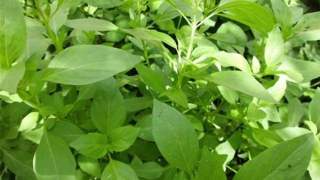
Genovese basil is the classic large-leafed basil prized for pesto. From a plant's perspective, its primary goal is to produce abundant, tender, photosynthetic machinery (leaves) before flowering. It is a relatively fast-growing but tender annual. The key to its care is preventing premature bolting (flowering). This requires consistently warm temperatures, with a sweet spot between 70-85°F (21-29°C), and at least 6-8 hours of direct sunlight daily. It is highly sensitive to cold and will suffer damage below 50°F (10°C). The plant demands consistently moist, well-draining soil rich in organic matter to support its rapid leaf production. From the gardener's standpoint, this means frequent harvesting. Regularly pinching off the top sets of leaves, just above a node, encourages a bushy, lateral growth habit. If flower buds appear, they must be pinched off immediately to redirect the plant's energy back into leaf production.
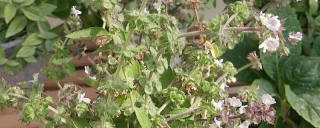
Thai basil is a more robust and resilient plant. It is characterized by its sturdy, purple stems, narrower leaves, and a distinctive anise-licorice scent. From a botanical viewpoint, this basil is better adapted to handle heat and is less prone to bolting as rapidly as Genovese. It thrives in full sun and high heat, often tolerating temperatures that would stress Genovese basil. Its care is slightly less demanding in terms of moisture; while it prefers consistent watering, it can tolerate brief periods of dryness better than its Genovese cousin. A unique aspect of Thai basil care relates to its flowering. Unlike Genovese, where flowers are undesirable, the purple flower buds of Thai basil are edible and valued in culinary use. Therefore, while pinching can still encourage bushiness, allowing some flowers to develop is often acceptable. The plant will continue to produce leaves along its stems even after flowering begins.
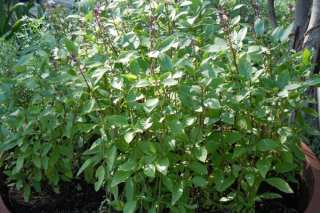
It is crucial to note that Holy Basil, or Tulsi, is a separate species altogether (*Ocimum tenuiflorum*). This fundamental taxonomic difference explains its distinct care requirements. Tulsi is a woody perennial shrub in its native tropics but is grown as an annual in temperate climates. The plant is inherently more shrub-like and woody than the other basils. Its leaves are thinner, often slightly fuzzy, and emit a powerful, spicy, clove-like aroma. From the plant's perspective, it is adapted to warmer, sun-drenched conditions and is exceptionally heat and drought-tolerant once established. It requires well-draining soil and should be allowed to dry out slightly between waterings, as it is more susceptible to root rot in soggy conditions than other basils. Unlike culinary basils, Tulsi is often grown for its spiritual significance and medicinal properties, for which the entire plant—leaves, stems, and flowers—is used. Consequently, its flowering is not a sign of decline but a natural stage of its life cycle. The plant can be pruned to shape it, but it does not require the constant pinching to prevent bolting that Genovese basil does.