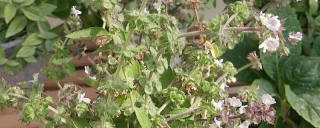
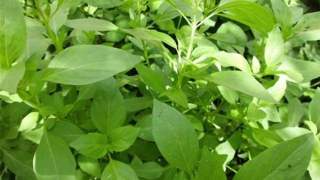
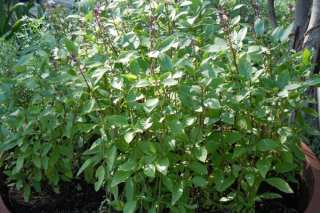
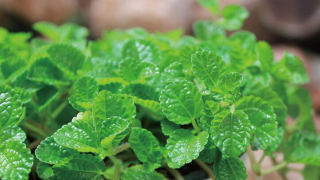
Before you even think about external threats, you must understand that my strength comes from within. My primary need is for optimal growing conditions. When you plant me in well-draining, nutrient-rich soil and place me where I receive at least six to eight hours of direct sunlight daily, I am able to produce the robust, aromatic oils for which I am known. These oils, like eugenol, are not just for your pesto; they are my first line of chemical defense. A stressed basil plant—one that is underwatered, overwatered, or struggling in poor soil—produces fewer of these protective compounds, making me a weak and tempting target for sap-sucking insects like aphids and spider mites. Your first and most important organic task is to keep me strong and thriving.
I do not live in a vacuum; the plants you place around me are my neighbors and allies. This practice, which you call companion planting, is a form of natural diplomacy and defense for me. By interplanting me with strong-scented species like marigolds, lavender, or rosemary, you create a sensory barrier. The powerful aromas these plants emit can confuse and repel pests like whiteflies and aphids, masking my own attractive scent. Furthermore, planting flowers such as calendula or alyssum attracts beneficial insects like ladybugs, lacewings, and hoverflies. These insects are the predators that patrol your garden, seeking out and consuming the very pests that wish to harm me. You are essentially building a protective ecosystem where my allies do the work for you.
When pests breach my initial defenses, direct action is needed, but it must be gentle to preserve my delicate leaves and the beneficial life in the soil. A strong spray of water from a hose can be remarkably effective. Simply dislodging aphids or mites from my leaves interrupts their feeding and can control a small infestation. For more persistent problems, you can employ natural sprays. A simple mixture of mild, chemical-free soap and water can be sprayed directly onto my foliage. This soapy solution works by breaking down the protective waxy coating or exoskeleton of soft-bodied insects, causing them to dehydrate. Another effective remedy is neem oil, a natural extract from the neem tree. When sprayed on me, it acts as both a repellent and an insect growth regulator, disrupting the life cycle of pests without harming larger beneficial insects when applied correctly. Always test any spray on a few of my leaves first to ensure I do not have a adverse reaction.
Finally, good garden hygiene is crucial. Many pests, such as slugs and snails, hide in debris during the day and emerge to feed on my leaves at night. By keeping the area around my base free of dead leaves, weeds, and other clutter, you eliminate their hiding spots. For these specific crawling pests, a barrier of diatomaceous earth or crushed eggshells around my stem can be an effective deterrent, creating a sharp, desiccating terrain they are reluctant to cross. Regularly inspecting the undersides of my leaves allows you to spot egg clusters or early infestations before they become a major problem, enabling you to simply remove the affected leaf and maintain my overall health.