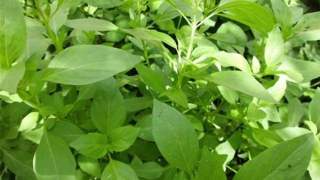
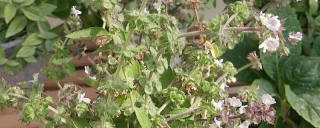
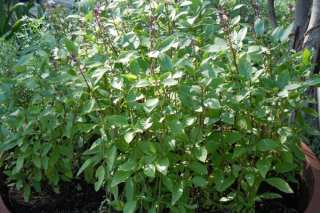
Hello. I am a basil plant. From my humble beginnings as a tiny seed, I have grown under the careful watch of a gardener indoors. Now, the time for a great transition is near. Moving from the safety of a tray to the vastness of the outdoor garden is a monumental step in my life. To ensure I thrive and can produce the fragrant leaves you love, this process must be done with care, respecting my needs as a living organism. Here is how to help me make this journey successfully.
My life indoors has been comfortable, with consistent temperatures and no harsh winds. The full strength of the sun, however, is something I have not yet experienced. If you move me directly outdoors, my leaves will suffer from sunscald—a traumatic condition similar to a severe sunburn that can stunt my growth or kill me. You must acclimate me gradually. This process is called "hardening off." Begin about 7-10 days before the intended transplant date. Place me in a sheltered, partially shaded spot outdoors for just an hour or two on the first day. Each subsequent day, increase my time outside by an hour or two and gradually expose me to more direct sunlight. This slow introduction allows my tissues to toughen up and my photosynthetic machinery to adapt to the intense solar energy. By the end of this period, I should be able to tolerate a full day of sunshine.
My new location in your garden is critical. I am a sun-worshipper. To perform photosynthesis at my best and produce the essential oils that give me my signature aroma, I require a minimum of 6 to 8 hours of direct sunlight each day. Please choose the sunniest spot you have. Furthermore, I demand excellent drainage. My roots are susceptible to rot if they sit in waterlogged soil. The ideal soil for me is rich, loamy, and crumbly. If your garden soil is heavy with clay, you can amend it with compost or other organic matter to improve its texture and fertility. This prepares a welcoming bed for my roots to explore.
The actual day of transplanting is a delicate operation for me. Please choose a calm, overcast day or transplant in the late afternoon. This timing minimizes the immediate stress from the sun and wind, giving me the cool, calm night to start recovering before facing the next day. Water me thoroughly in my seedling cell a few hours before the move; this ensures my cells are plump with water and helps the root ball hold together.
When you are ready, gently squeeze the sides of my container and tip me out. Support the root ball with your fingers—do not pull me by my stem, as I am very delicate there. You will notice that my roots may be circling the container. Gently tease the outer roots apart to encourage them to grow outward into the new soil, rather than continuing in a circular pattern. Dig a hole in the prepared garden bed that is slightly larger than my root ball. Place me in the hole. For my ultimate health and bushiness, you can plant me a little deeper than I was in my pot. Bury a part of my long, tender stem; tiny hairs on the stem will develop into new roots, creating a stronger, more robust root system. Fill the hole with soil, firming it gently around my base to eliminate large air pockets.
Immediately after planting, give me a deep, gentle watering. This settles the soil around my roots and provides the moisture needed to overcome the shock of transplanting. For the first week or so, keep the soil consistently moist, but not soggy, as I establish myself. To help conserve moisture and suppress weeds that would compete with me for nutrients, you can apply a light layer of organic mulch, like straw or shredded leaves, around my base. Just be sure to keep the mulch a couple of inches away from my main stem to prevent rot.