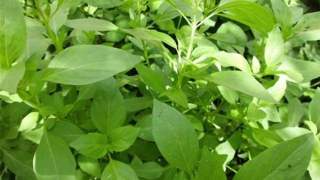
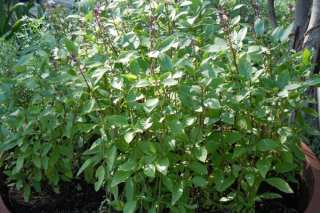
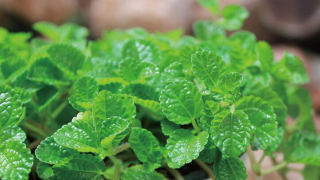
Before discussing your specific zone, you must understand my non-negotiable requirements. I am a tender annual herb, meaning I complete my life cycle in one growing season and am extremely sensitive to cold. My roots and leaves cannot tolerate temperatures below 50°F (10°C); exposure to frost is fatal. I thrive in full sun, requiring at least 6-8 hours of direct sunlight daily to produce the robust, aromatic oils you love. I demand well-draining soil that is consistently moist but never waterlogged. My growth is directly tied to warmth, from the soil temperature for germination to the ambient air temperature for photosynthesis and leaf production. Your local hardiness zone, which indicates the average annual minimum winter temperature, primarily dictates the length and quality of my growing season.
In these zones, I experience a very long, frost-free growing season, and in Zones 10-11, I can potentially grow as a perennial. Here, your main concern is not cold but excessive heat. You can directly sow my seeds outdoors once the soil is warm, often as early as late February or March. I will grow vigorously throughout the spring and early summer. However, during the peak summer heat, I may experience stress. To prevent me from bolting (flowering prematurely) and developing a bitter taste, you should provide afternoon shade and ensure consistent moisture. Pinching off my flower buds regularly will encourage me to focus my energy on producing lush, leafy growth. In these zones, I can often be harvested well into late fall or even year-round.
For most gardeners in these temperate zones, I am a quintessential summer crop. You must wait until all danger of frost has passed and both the soil and air temperatures are consistently warm, typically in late spring (mid-to-late May). Starting my seeds indoors 6-8 weeks before the last frost date gives me a significant head start. Once transplanted outside, I will establish myself quickly in the warm conditions. This period offers ideal growing weather—warm days and nights without the extreme heat of southern zones. My growth will be strong and steady throughout the summer. Your harvest window is generous, but you must be vigilant as autumn approaches. The first fall frost will mark the end of my life cycle. To extend the season, you can cover me with a frost cloth on cold nights.
In these cooler zones with shorter growing seasons, your strategy must be focused and efficient. My time outdoors is limited, so starting my seeds indoors is not just beneficial; it is essential. Begin 6-8 weeks before your last expected frost date. Transplanting me outdoors too early is a grave mistake; a late frost will kill me. Wait until the weather is reliably warm, which might not be until early June. To warm the soil faster, you can use black plastic mulch or cloches. I will appreciate being planted in the sunniest, most sheltered spot in your garden, perhaps against a south-facing wall that absorbs heat. My growth may be slower initially, but I will flourish during the peak summer heat. Your harvests will be concentrated in July and August, and you must be prepared to protect me from early fall frosts to gather a final, substantial yield.
Regardless of your zone, growing me in a container offers you maximum control over my environment, which aligns perfectly with my needs. You can start me indoors early and move me outside only when conditions are ideal. If an unexpected cold snap threatens, you can easily bring me to a sheltered location. Containers also ensure the well-draining soil I require. The key is to choose a pot with adequate drainage holes and place it in a location that receives full sun. This method is particularly advantageous in zones with short seasons or unpredictable weather, as it effectively extends my growing period on both ends.