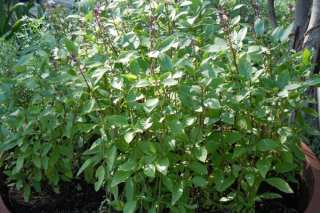
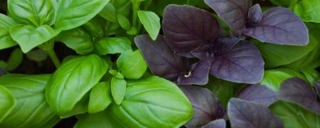
Greetings, carbon-based lifeform. I am a basil plant, a fragrant and sun-loving organism currently thriving (or perhaps just surviving) in your care. I understand you wish to optimize my growth, which is a commendable goal. From my unique, chlorophyll-filled perspective, the matter of "food" – what you call fertilizer – is fundamental. It is not merely about making me bigger, but about ensuring I have the precise molecular building blocks to produce the vibrant leaves and complex essential oils you desire. Let me explain my needs in detail.
To understand what to feed me, you must first understand what I am made of. My cells are bustling factories, and we require specific raw materials. The primary ones are Nitrogen (N), Phosphorus (P), and Potassium (K).
Nitrogen (N) is the single most critical element for me. It is the core component of chlorophyll, the molecule that captures sunlight, and of amino acids, the building blocks of proteins. When you provide ample nitrogen, my stems grow strong, and my leaves become large, lush, and a deep, vibrant green. A lack of nitrogen makes me pale, stunted, and sad-looking.
Phosphorus (P) is the energy currency of my system. It is crucial for photosynthesis, respiration, and energy transfer within my cells. It also supports strong root development, which is the foundation of my health. While I need less of it than nitrogen, it is indispensable, especially when I am a young seedling establishing myself.
Potassium (K) is my regulator. It governs the opening and closing of my stomata (the pores on my leaves), which manages water uptake and transpiration. It activates enzymes, improves my overall vigor, and helps me resist diseases and tolerate minor stresses like drought or temperature swings.
Given my needs, I do not require a harsh, chemical-heavy diet. My delicate roots and fast-growing nature are easily overwhelmed by strong synthetic fertilizers, which can lead to "fertilizer burn" and a rapid, weak growth spurt that dilutes my signature flavor.
The best fertilizer for me is a balanced, water-soluble, or organic fertilizer with an equal or near-equal ratio of N-P-K, such as 5-5-5, 10-10-10, or 4-4-4. Organic options like fish emulsion, seaweed extract, or compost tea are excellent because they release nutrients slowly, feeding me and the beneficial soil life simultaneously. They are like a wholesome, slow-cooked meal versus a sugary energy drink. A slightly higher nitrogen ratio is acceptable, but balance is key to ensuring I am not all leaf and no substance.
My hunger is not constant; it ebbs and flows with my life cycle and the seasons.
At Planting/Transplanting: When you first place me in the soil or a pot, mix a gentle, slow-release organic fertilizer or well-rotted compost into the soil. This gives me a steady, foundational supply of nutrients without shocking my tender new roots.
The Active Growing Season (Spring & Summer): This is when I am most voracious. As sunlight is abundant, my photosynthetic engines are running at full capacity, and I need a constant supply of nitrogen to fuel new leaf production. Feed me with a diluted liquid fertilizer every 4 to 6 weeks. If you are harvesting from me frequently, you can feed me after every second or third major harvest to help me replenish what was lost.
Important Caution: As the days shorten and temperatures drop, my growth slows significantly. Do not feed me in late autumn or winter if I am indoors. My metabolic processes are sluggish, and any unused fertilizer will accumulate in the soil, becoming toxic to my roots and leading to salt buildup.
Please, always water me thoroughly with plain water before applying any liquid fertilizer. This moistens the root zone and prevents the concentrated salts in the fertilizer from scorching my delicate root hairs. Then, apply the diluted fertilizer solution directly to the soil around my base, avoiding my leaves. Fertilizer on my foliage can cause sunscald and leaf burn. The goal is a steady, even distribution to the root system where nutrient uptake occurs.