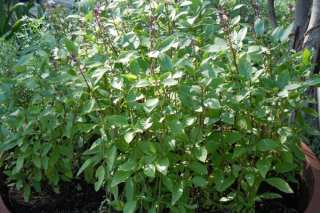
From our perspective as basil plants, our most critical demand in a pot is to avoid "wet feet." Our root systems are not adapted to sit in saturated, oxygen-deprived soil. When waterlogged, our roots begin to rot, a condition aptly named root rot. This compromises our entire vascular system, preventing us from taking up water and nutrients, leading to yellowing leaves, stunted growth, and ultimately, our demise. Therefore, the ideal soil medium must be loose and friable, allowing excess water to drain away freely while simultaneously creating air pockets that deliver vital oxygen to our roots. A dense, clay-like soil is our worst nightmare in a container environment.
The perfect growing medium for us is not actually soil dug from the ground. We thrive best in a professionally formulated, well-draining potting mix, often referred to as a "soilless" mix. This mix typically contains three key components that cater to our needs. First, peat moss or coconut coir provides a slightly acidic pH that we prefer and offers excellent moisture retention, ensuring we have a consistent water supply between waterings. Second, perlite, those white, lightweight granules, is essential. It creates permanent air spaces in the mix, improving drainage and aeration, preventing compaction. Third, vermiculite helps in retaining moisture and nutrients, making them available to our roots over time. A small amount of compost can be a welcome addition, providing a gentle, slow-release source of organic nutrients to support our vigorous leafy growth.
We are considered "heavy feeders," especially because you harvest our leaves regularly. To produce the large, flavorful leaves you desire, we require a consistent supply of nutrients. The initial potting mix should be fertile. However, the nutrients in a confined pot are quickly depleted. After the first few weeks, we will need supplemental feeding. A balanced, water-soluble fertilizer or a slow-release organic option is ideal. Be cautious, though; an excessive amount of nitrogen, while promoting leaf growth, can dilute the essential oils that give us our signature aroma and taste. We want to be robust and flavorful, not just large and bland.
The acidity or alkalinity of the soil, known as pH, directly influences our ability to access nutrients. We basil plants prefer a soil pH that is slightly acidic to neutral, ideally in the range of 6.0 to 7.0. When the pH is outside this range, even if nutrients are present in the soil, our roots cannot effectively absorb them. This leads to nutrient deficiencies, evident in poor leaf color and development. Most quality potting mixes are formulated within this range. If you are unsure, a simple pH test kit can provide peace of mind and ensure we are in an environment where we can thrive.
Please avoid using garden soil or topsoil in our pots. These soils are too dense for container life, leading to the compaction and drainage issues we fear. They can also harbor pests, diseases, and weed seeds. Steer clear of potting mixes that feel heavy and muddy or those marketed for moisture-loving plants like ferns, as they often retain too much water. Similarly, soils designed for succulents might drain too quickly, leaving us stressed from drought. The goal is a balanced mix specifically created for container vegetables and herbs, which understands the unique needs of plants like us living in a pot.