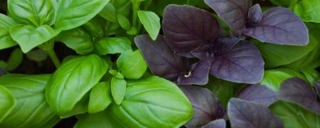
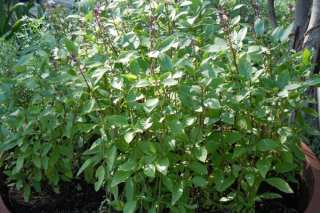
From our perspective as basil plants, the answer is a resounding yes, but it is entirely dependent on you, our caretaker, understanding and meeting our fundamental needs. We are not complicated beings, but we are specific in our requirements. An indoor environment is a controlled simulation of our native warm, sunny habitats, and its success hinges on how accurately you can replicate those conditions. Here is what we need to thrive indoors, year-round.
This is the single most important factor. We are sun-worshippers, originating from regions with long, bright days. To photosynthesize effectively and produce the lush, flavorful leaves you desire, we require a significant amount of light. A dim windowsill, especially during the short days of winter, will leave us leggy, pale, and struggling. We need a minimum of 6 to 8 hours of direct, bright light each day. A south-facing window is ideal. If such a spot is not available, you must supplement with a grow light. These artificial suns are not a luxury for year-round growth; they are a necessity. Position the light just a few inches above our tops for 12-14 hours a day to mimic the long summer sun. Without adequate light, we simply cannot perform the basic functions of life.
We are tender annuals and highly sensitive to cold. Drafts from leaky windows or the direct blast of an air conditioning vent are as distressing to us as a frosty night would be outdoors. Our ideal temperature range is a cozy 70°F to 80°F (21°C to 27°C). We can tolerate slightly cooler nights, but temperatures dipping below 50°F (10°C) will cause us stress, stunt our growth, and can lead to our demise. Please keep us in a consistently warm spot, away from sudden temperature fluctuations. This stable, draft-free environment is one of the key advantages of indoor life, protecting us from the unpredictable weather that would kill us outside.
Watering is an art form. Our roots despise sitting in soggy, waterlogged soil, as this suffocates them and leads to root rot—a fatal condition. However, we also wilt and suffer if allowed to dry out completely. The goal is consistently moist, but not wet, soil. A good rule is to water us deeply when the top inch of soil feels dry to your touch. Ensure our pot has excellent drainage holes. Furthermore, the soil in a container is a finite source of food. Unlike in the ground where our roots can search for nutrients, we are entirely dependent on you for nourishment. To support our continuous leafy growth, feed us with a balanced, water-soluble fertilizer diluted to half-strength every 4 to 6 weeks during our active growing season (primarily spring and summer). This replenishes the soil and gives us the energy to produce new leaves.
To keep us bushy and productive, you must harvest from us regularly. This might seem counterintuitive, but it is essential. When you pinch off the top set of leaves, just above a pair of lower leaves, it signals to us to stop growing tall and instead branch out from those lower points. This prevents us from becoming a single, spindly stalk and encourages a dense, full plant. Always harvest from the top down. Furthermore, please do not let us flower. When we begin to produce flowers, our energy diverts from leaf production to seed creation, causing our leaves to become smaller and more bitter. By consistently pinching off the flower buds as soon as you see them, you encourage us to focus our efforts on what you want most: delicious, aromatic leaves.