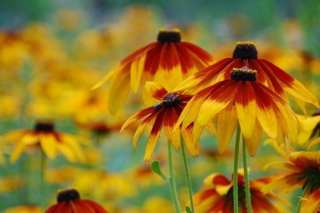
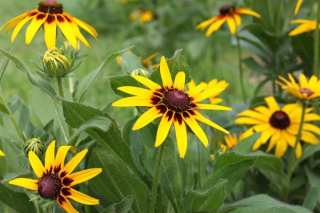
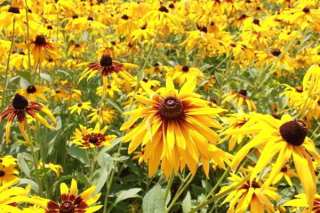
From our perspective as Coreopsis plants, we are generally resilient and easy-going. We thrive in sunny locations with well-drained soil, rewarding gardeners with a long season of cheerful, daisy-like blooms. However, like all living things, we are susceptible to certain pests and diseases that can compromise our health and beauty. Understanding these threats from our point of view is key to maintaining our vigor.
While many beneficial insects like bees and butterflies are welcome visitors, a few pests see our succulent stems and tender foliage as a prime food source.
Aphids: These tiny, soft-bodied insects are a common nuisance. They cluster on our new growth, buds, and the undersides of leaves, piercing our tissues to suck out the sap. This feeding weakens us, causing leaves to curl, yellow, and distort. More importantly, aphids excrete a sticky substance called honeydew, which attracts ants and can lead to the growth of sooty mold, further inhibiting our photosynthesis. From our perspective, a strong blast of water from a hose is often enough to dislodge these pests. For heavier infestations, insecticidal soap or neem oil applications are effective and gentle on our system.
Leafhoppers: These small, wedge-shaped insects are more than just a sap-sucking annoyance. They are vectors for a disease called Aster Yellows. As they feed, they can inject a phytoplasma into our vascular system, which causes much more severe damage than their feeding alone.
Environmental stress, particularly poor air circulation or overhead watering, can make us vulnerable to several foliar diseases.
Powdery Mildew: This is one of our most frequent fungal complaints. It appears as a white or grayish, powdery coating on our leaves and stems. It’s unsightly and, if severe, can cause our leaves to yellow and wither, reducing our ability to produce energy. To help us, ensure we are spaced adequately to promote good air flow. Water at our base instead of sprinkling from above to keep our foliage dry. Fungicidal sprays containing sulfur or neem oil can help control an existing outbreak.
Leaf Spot: Various fungal pathogens can cause circular brown or black spots on our leaves. These spots may have yellow halos and can coalesce, leading to significant leaf drop. This defoliation is stressful for us. The best approach is preventative: clean up fallen leaf debris around our base in the autumn to remove overwintering spores. If necessary, apply a copper-based fungicide as directed.
This is the most serious disease we can face, and it is incurable. As mentioned, it is spread by leafhoppers. Once infected, our entire system is affected by the phytoplasma. You will see bizarre symptoms: our flowers may become green and distorted, losing their normal color and form; our growth may become stunted and spindly; we may develop strange, witch's broom-like clusters of shoots.
There is no treatment for Aster Yellows. From our perspective, the kindest action is to dig us up entirely, place us in a plastic bag, and dispose of us with the household trash (not in the compost pile). This is crucial to prevent the disease from spreading to other susceptible plants in the garden, such as coneflowers, asters, and marigolds.