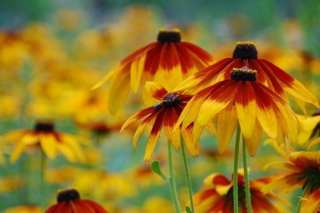
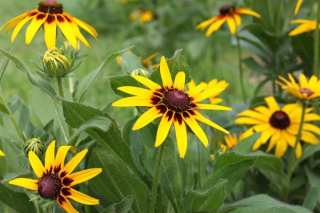
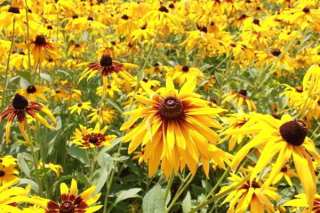
From my perspective as a Coreopsis plant, deadheading isn't just a gardening chore; it's a direct and clear form of communication. My entire biological purpose is to reproduce, which I do by producing flowers, then seeds. When you see my bright yellow, pink, or red petals starting to fade, turn brown, and wilt, that signals a successful mission from my point of view. I've been pollinated, and I'm now diverting a massive amount of my energy away from creating new, beautiful flowers and into developing seeds within the spent flower head. If you leave those old blooms on my stems, I get the message: "Job well done. Reproduction achieved. Begin shutting down flower production." To keep me blooming all summer, you need to trick me into thinking my work is never done.
When you approach me with your pruning shears or sharp scissors, precision is key. A rough hack can leave a wound that is susceptible to disease. Please look closely at my stem. Just below the spent, crumpled flower, you will see a set of leaves or a new, smaller side shoot (a lateral stem) that is often already developing a tiny flower bud. Your target is the stem that holds the dead flower. Make a clean cut about a quarter-inch above this first set of leaves or the new lateral stem. This action does two wonderful things for me. First, it cleanly removes the signal to produce seeds. Second, it immediately redirects my energy not just back into the main plant, but directly to those lateral buds, encouraging them to burst forth with new blooms much faster than if I had to generate an entirely new flower stalk from the base.
As the summer progresses, especially for prolific bloomers like me (such as Coreopsis 'Moonbeam' or 'Zagreb'), I can become a bit leggy and covered in a mix of deadheads and new buds. It can be tedious for you to snip each individual faded flower. Around mid-summer, if I look overgrown, you can give me a more dramatic haircut, known as shearing. Using your sharpest shears, cut back about one-third to one-half of my overall height. This feels drastic, but from my roots upward, it's a fantastic rejuvenation. It removes all the spent blooms at once, clears out any tired or diseased foliage, and stimulates a fresh, dense flush of growth from the base. Within a couple of weeks, I will reward you with a completely new and vibrant set of foliage and flower buds, ready to carry me through the rest of the summer.
While I appreciate your efforts to keep me blooming, I must ask for one consideration as summer turns to fall. If you wish for me to naturally self-sow and create new Coreopsis plants for next year, or if you want to collect my seeds, you should stop deadheading in late summer. Allow the last waves of flowers to fade and develop seeds. This is my chance to ensure my legacy in your garden for the next season. Furthermore, the dried seed heads provide crucial food for birds like goldfinches during the colder months. So, for a period of rest and natural propagation, please let my final blooms complete their full life cycle.