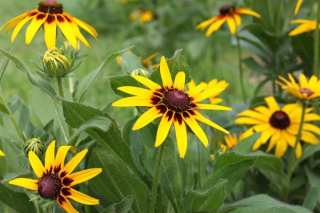
From our perspective as Coreopsis plants, the foundation of our health, vibrancy, and ability to produce an abundance of the cheerful flowers you admire lies directly beneath our roots. The right soil is not just a place to stand; it is our home, our pantry, and our water source. While we are famously adaptable, providing us with our ideal soil conditions will result in a noticeably more vigorous and spectacular display.
Above all else, we require soil that drains exceptionally well. Our root systems are highly susceptible to rot if left sitting in waterlogged, soggy soil, especially during the winter months. Think of our native habitats: open prairies and well-drained woodland edges. The soil in these areas allows water to percolate through quickly, providing a drink without causing flooding. Heavy, compacted clay soils are our nemesis, as they trap water and suffocate our roots. If you must plant us in such conditions, you must amend the soil generously with gravel, sand, or compost to create a looser, more porous structure. For container planting, ensure the pot has ample drainage holes.
Our roots thrive in a light, loamy soil that is easy to penetrate. This type of soil is a balanced mix of sand, silt, and clay, along with organic matter. It feels crumbly and soft, allowing our roots to spread out freely in search of nutrients and moisture. This loose structure also ensures excellent aeration, meaning oxygen can reach our root zones, which is vital for our respiratory processes. When soil is too dense, our roots struggle to expand, which stunts our overall growth and limits our flowering potential. A simple test from your perspective: if you can easily dig a hole with your hands, it's a good start for us.
Contrary to what you might think for such prolific bloomers, we are not heavy feeders. In fact, we are quite content in soils that are moderately fertile to even slightly poor. Rich, heavily fertilized soils, particularly those high in nitrogen, will encourage an excess of soft, leafy growth at the expense of flower production. You'll get a large, bushy plant with very few blooms. Our ideal soil is one that provides a steady, slow release of nutrients. The best way to achieve this is by incorporating well-rotted compost or other organic matter into the soil at planting time. This not only provides a gentle nutrient boost but also improves the soil texture and water retention in a balanced way.
We Coreopsis are not particularly fussy about soil pH, but we perform best in a range that is slightly acidic to neutral, roughly between 5.5 and 7.0. Within this range, our roots can most effectively access the essential minerals present in the soil. If your soil is highly alkaline, you may notice our leaves showing signs of chlorosis (yellowing between the veins), indicating a difficulty in absorbing iron. While we can tolerate a slight deviation from this ideal range, staying within it ensures we are not under any unnecessary stress.
While we despise wet feet, we do appreciate consistent moisture, especially when we are young and getting established. A thin layer of a light, organic mulch like pine straw or shredded bark can be beneficial. It helps suppress weeds that would compete with us for resources and moderates soil temperature. Crucially, it also helps the soil retain a consistent level of moisture, preventing it from drying out completely during hot, dry spells. The key is to keep the mulch away from directly touching our crowns to prevent moisture-related rot.