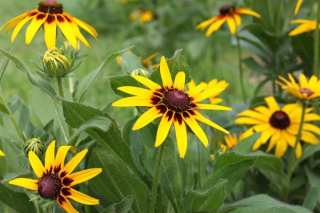
From our perspective as Coreopsis plants, sunlight is not merely a preference; it is the very currency of life. We are photosynthetic organisms, and the process of photosynthesis is how we convert light energy, water, and carbon dioxide into the sugars that fuel our growth, flowering, and overall vitality. When you ask if we need full sun, you are essentially asking if we require an optimal environment to perform this critical function. The unequivocal answer, from our point of view, is yes. Full sun, which we define as a minimum of six to eight hours of direct, unfiltered sunlight per day, provides the intense energy required to manufacture abundant food.
When planted in full sun, our physiological processes operate at peak efficiency. The abundant light energy allows us to develop strong, sturdy stems that can support the profusion of blooms we are known for. Without adequate light, our stems may become weak and leggy as we stretch and strain towards any available light source, a condition you might call etiolation. This weak growth makes us susceptible to flopping over, especially after a rain. Furthermore, full sun promotes a compact, bushy, and well-branched habit. The ample energy from the sun encourages us to produce more lateral branches, resulting in a denser, more attractive plant that is literally bursting with the potential for flowers at every growing point.
The most compelling reason for you to provide us with full sun is directly linked to our flowering performance. Blooming is an incredibly energy-intensive endeavor for us. Producing hundreds of daisy-like flowers over a long season requires a massive investment of resources. Full sun provides the necessary energy surplus to support this spectacular show. In such conditions, we will produce the maximum number of blooms, and the flower colors will be their most vibrant and true. If we are placed in partial shade, our energy budget becomes constrained. We must prioritize survival over reproduction, leading to significantly fewer flowers, smaller blooms, and potentially less intense coloration. In heavy shade, we may not flower at all, as we lack the basic energy to initiate and sustain the process.
Beyond growth and flowers, full sun contributes significantly to our overall health and resilience. Good air circulation, which is often a companion to an open, sunny site, helps our foliage dry quickly after dew or rain. This is crucial for preventing fungal diseases like powdery mildew or leaf spot, which thrive in damp, stagnant conditions. Moist foliage in a shaded, poorly ventilated area is an invitation for pathogens. The warmth and dryness associated with a sunny location create an environment where these diseases are less likely to gain a foothold, allowing us to maintain healthy green foliage throughout the growing season.
While we unequivocally thrive in full sun, some of our species and cultivars can tolerate light afternoon shade, particularly in regions with very hot summers. In these intense climates, the scorching late-afternoon sun can sometimes cause stress. A few hours of respite from the most intense heat can be beneficial. However, it is critical to distinguish this from partial shade. "Afternoon shade" means we still receive a full six to eight hours of morning and midday sun, which is the most important light for photosynthesis. True partial shade, where sunlight is dappled or limited to just a few hours a day, will lead to the suboptimal growth and flowering described earlier.