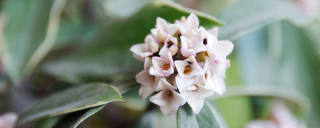
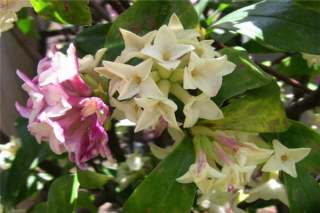
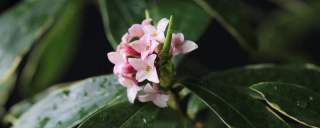
Before selecting companion plants, it is crucial to understand the Daphne shrub itself. Daphnes are prized for their intensely fragrant flowers, but they are also known for being somewhat finicky. From a plant's perspective, their primary demands are for well-drained, slightly acidic to neutral soil that is rich in organic matter. They abhor having their roots disturbed and are sensitive to both drought and waterlogged conditions. Furthermore, many Daphne varieties prefer dappled sunlight or partial shade, especially in hotter climates, as their shallow root systems can easily overheat and dry out. Therefore, the ideal companion must be a non-invasive, respectful neighbor that does not compete aggressively for root space or moisture. It should thrive in similar soil conditions and light levels without overwhelming the Daphne's delicate structure or detracting from its sensory appeal.
The area directly beneath and around the Daphne is a critical zone. The goal here is to select plants that provide a living mulch, helping to keep the root zone cool and moist without competing aggressively. Shallow-rooted, low-growing groundcovers are excellent for this role. Consider Epimedium (Barrenwort), whose elegant foliage creates a beautiful carpet that suppresses weeds and tolerates dry shade once established. Its delicate spring flowers complement the Daphne's bloom time without being overpowering. Another superb choice is Helleborus orientalis (Lenten Rose), which blooms in late winter to early spring, often alongside the Daphne. Its deep, leathery leaves provide year-round interest and it coexists peacefully, requiring similar soil conditions. Pachysandra terminalis (Japanese Spurge) is a robust, evergreen option that forms a dense mat, effectively conserving soil moisture and stabilizing the root environment for the sensitive Daphne.
Surrounding the Daphne with plants of similar height or slightly lower can create a layered, textured effect that enhances the garden's visual structure. The focus here should be on foliage plants that offer a contrast in texture and form to the Daphne's often glossy, green leaves. Hostas are nearly perfect companions for Daphnes grown in partial shade. Their broad, often variegated leaves provide a bold textural contrast and help shade the soil. Ferns, such as the Dryopteris erythrosora (Autumn Fern) or the delicate Athyrium niponicum (Japanese Painted Fern), introduce a fine, lacy texture and thrive in the same cool, moist, humus-rich soil. For a touch of evergreen structure, small to medium-sized Hakonechloa macra (Japanese Forest Grass) offers a soft, flowing form and bright color that illuminates a shady spot without crowding the Daphne.
Companion planting can also be used to extend the season of interest and complement the Daphne's most famous attribute: its fragrance. Spring-flowering bulbs are ideal partners as they complete most of their growth cycle before the Daphne needs maximum moisture and nutrients. Galanthus (Snowdrops), Cyclamen coum, and small species Narcissus (Daffodils) can be planted around the base, providing early color that fades as the Daphne takes center stage. To enhance the fragrant theme, consider planting a Daphne odora near a walkway with a clump of Convallaria majalis (Lily of the Valley) nearby. Their combined perfumes in spring are sublime. For a later season highlight, the subtle, honey-scented flowers of Clethra alnifolia (Summersweet), which also enjoys moist, acidic soil, can provide a fragrant follow-up act after the Daphne has finished blooming.