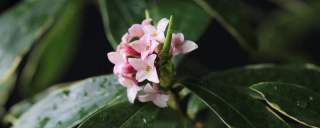
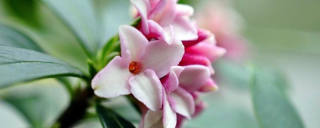
Daphne shrubs (genus Daphne), particularly popular species like Daphne odora or Daphne cneorum, are cherished in gardens for their intensely fragrant flowers and often evergreen foliage. However, they are notoriously finicky plants, susceptible to root rot and sudden collapse, and many are not native to North America. For gardeners seeking a more resilient, ecologically supportive landscape, finding native US alternatives that offer similar ornamental value is an excellent goal. While no single native plant replicates the Daphne exactly, several outstanding natives provide comparable features such as fragrant spring blooms, compact form, and evergreen leaves.
For gardeners primarily drawn to Daphne's powerful fragrance, Carolina Allspice is a premier native substitute. This deciduous shrub, native to the southeastern United States, produces unique, maroon to reddish-brown flowers in late spring to early summer. The fragrance is its most notable attribute, often described as a spicy, fruity, or strawberry-like scent that can perfume an entire garden area. Unlike the sometimes-temperamental Daphne, Calycanthus floridus is remarkably adaptable, thriving in full sun to part shade and tolerating a range of soil conditions, though it prefers moist, well-drained sites. Its foliage is also aromatic when crushed, adding another layer of sensory interest. It typically grows 6-9 feet tall and wide, making it a substantial filler for borders.
If the appeal of Daphne lies in its sweet scent, Coastal Sweetpepperbush is an indispensable native alternative. This deciduous shrub, native to the eastern US seaboard, produces upright, bottlebrush-like spikes of tiny, intensely fragrant white or pink flowers in mid to late summer—a time when few other shrubs are blooming. The fragrance is honey-sweet and attracts a profusion of pollinators, including bees and butterflies, providing significant ecological value. Clethra alnifolia is exceptionally hardy and thrives in moist, acidic soils and partial shade, making it an ideal choice for woodland edges or damp areas where Daphne would struggle. It typically forms a dense, rounded thicket 3-8 feet tall, and its foliage turns a attractive yellow in the fall.
For those seeking an evergreen alternative with unique foliage and a compact habit similar to many Daphnes, the Florida Anise Tree is an excellent option. Native to the southeastern US, this broadleaf evergreen shrub features lush, aromatic, lance-shaped leaves that release a distinct licorice or anise scent when crushed. In spring, it produces unusual, star-shaped maroon-red flowers that, while not heavily fragrant like Daphne, are visually striking. Illicium floridanum is highly adaptable to shady conditions, a key advantage over sun-loving Daphnes, and is generally pest-free and disease-resistant. It prefers moist, well-drained, acidic soil and can reach 10-15 feet in height, though smaller cultivars are available. It is an ideal structural plant for a shady foundation planting or woodland garden.
For the low-growing, mat-forming habit of species like Daphne cneorum (Rock Daphne), a superb native groundcover alternative is Creeping Phlox. This herbaceous perennial, native to the Appalachian region, forms a dense, evergreen mat of foliage that is completely covered in a carpet of small, fragrant flowers in early spring. The blooms come in shades of violet, purple, pink, or white and are excellent for attracting early-season pollinators. While it is not a woody shrub, it serves the same functional and aesthetic purpose in the landscape—covering slopes, spilling over rock walls, and providing vibrant spring color. It thrives in well-drained soil and partial shade, making it a tough and reliable choice where Daphne might be difficult to establish.