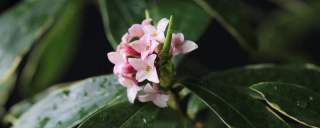
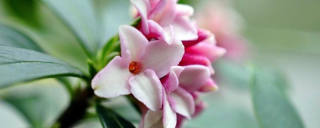
The term "Daphne sudden death syndrome" is not a formal scientific diagnosis but a descriptive phrase used by gardeners to describe the rapid and unexpected collapse of a Daphne shrub. From the plant's perspective, this "sudden" death is usually the final, visible stage of a longer-term underlying issue. Daphne species (e.g., *Daphne odora*, *Daphne cneorum*) are notoriously sensitive plants, and their abrupt demise is often a culmination of stress factors that have compromised their root system and vascular functions over time, leading to a point of irreversible failure.
The most common cause of sudden death in Daphne is a failure of the root system. Daphne roots are exceptionally sensitive to soil moisture levels and are highly susceptible to root rot diseases.
2.1 Phytophthora Root Rot
This is arguably the leading specific cause. *Phytophthora* is a genus of water mold (oomycete) that thrives in wet, poorly drained soils. From the plant's perspective, the spores in the soil infect the fine root hairs first. The pathogen attacks the root cortex, destroying the cells responsible for absorbing water and nutrients. As the infection progresses up the larger roots, it girdles them, blocking the vascular tissues (xylem and phloem). The above-ground parts of the plant, deprived of water and nutrients, wilt and die rapidly, often while the leaves are still green, creating the "sudden" appearance. The plant essentially dies of thirst despite being in soil.
2.2 Physical Soil Conditions
Even without a pathogen, poor soil conditions can be fatal. Daphne plants demand perfectly well-drained soil. Heavy, clay-rich, or compacted soil creates a suffocating environment for the roots. Oxygen is crucial for root respiration and function. In waterlogged conditions, roots cannot breathe and begin to die back, leading to a similar outcome as root rot. Conversely, extreme drought stress can cause fine roots to desiccate and die, also compromising the plant's ability to sustain itself.
Many popular Daphne varieties are grafted onto a hardier rootstock, such as that of *Daphne odora* being grafted onto *Daphne mezereum* rootstock. From the plant's physiological perspective, this creates a potential point of failure. If the graft union is weak, buried too deep, or becomes damaged, it can lead to a disruption in the flow of water, minerals, and sugars between the rootstock and the scion (the desirable top part). This can cause a rapid decline in the scion, which manifests as sudden wilting and death, while the rootstock may sometimes survive and send up its own shoots.
Daphne plants are sensitive to their nutritional environment. They generally prefer a slightly acidic to neutral pH and are not heavy feeders. An excess of fertilizer, particularly high-nitrogen fertilizers, can chemically burn the delicate feeder roots, damaging the very structures needed for survival. Furthermore, Daphne is sensitive to certain minerals. High levels of boron in the soil or water, for instance, can be toxic to the plant, leading to leaf scorch and dieback that can progress rapidly if the toxicity is severe.
It is important to view the plant's health holistically. A Daphne shrub may be struggling with less-than-ideal drainage, which weakens its root system. This stressed plant is then more vulnerable to a secondary attack by a pathogen like *Phytophthora* or unable to cope with a period of hot, dry weather. The final stressor is the "straw that breaks the camel's back," triggering the collapse. The plant's internal systems, already operating at their limit, fail catastrophically, resulting in the observed sudden death.