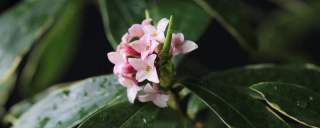
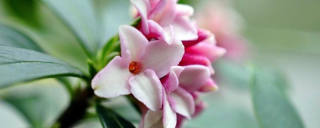
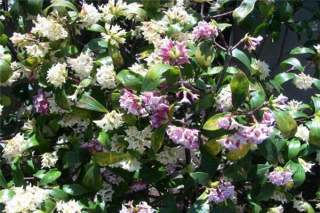
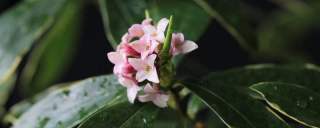
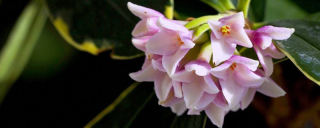
Thank you for your inquiry about my survival. First, it is crucial to understand that "Daphne" refers to a genus with over 90 species and numerous cultivated varieties. Our needs and tolerances vary significantly. For instance, I, Daphne odora (Winter Daphne), am a more tender soul, thriving best in the warmth of zones 7-9. My cousin, Daphne cneorum (Rose Daphne), is much hardier, braving the cold of zones 4-8. Another relative, Daphne x burkwoodii, often finds comfort in zones 4-8. Therefore, your specific USDA hardiness zone is the primary, but not the only, factor in determining if I can call your garden home.
A USDA hardiness zone map is a translation of average annual extreme minimum winter temperatures. It tells you the coldest it typically gets in your area. As a plant, I do not feel cold in the way you do; instead, extreme cold causes the water within my cells to freeze. This formation of ice crystals can rupture my cell walls, leading to irreversible damage or death. My root system is particularly vulnerable. If you plant me in a zone lower than my rated hardiness, my roots may freeze, severing my connection to water and nutrients, even if my top growth appears protected. Surviving winter is not just about enduring a single cold night, but about withstanding the cumulative stress of the season.
While the zone is a vital starting point, my survival hinges on the specific conditions you provide. Think of it as my microclimate. A sheltered spot on the south side of your house can create a zone 7 environment within a zone 6 area, potentially allowing a marginal variety like myself (D. odora) to thrive. Conversely, a windy, exposed hilltop will feel much colder than the zone rating suggests. My absolute nemesis is "wet feet," especially in winter. Soggy, waterlogged soil around my roots in freezing conditions is a death sentence, leading to rot. Well-drained soil is non-negotiable. Furthermore, a sudden deep freeze before I have fully entered dormancy can be devastating, as my tissues are not yet prepared for the cold.
Your role as a gardener is to act as my partner. If you choose a Daphne species whose hardiness range includes your zone, you have a strong foundation. If you wish to push the boundaries slightly, your intervention becomes critical. Planting me in a location with morning sun and afternoon shade protects me from harsh winter winds and scorching summer sun. Ensuring the planting site has excellent drainage, perhaps by planting on a slope or in a raised bed, is the best gift you can give me. Applying a thick layer of mulch over my root zone after the ground first freezes helps regulate soil temperature, preventing the freeze-thaw cycles that can heave my roots out of the ground. Please avoid fertilizing me in late summer or fall, as this encourages tender new growth that is highly susceptible to frost damage.