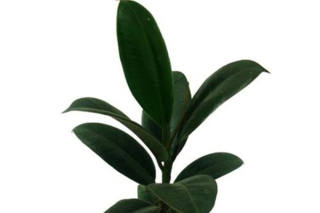
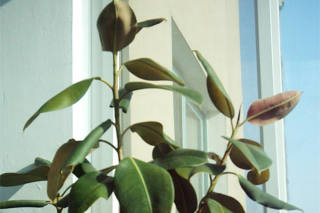
Greetings, caretaker. From our perspective as *Ficus elastica*, the journey of growth indoors is a fascinating negotiation between our innate desires and the environment you provide. Our growth rate is not a single number but a story of how well our needs are met. Typically, under your care indoors, you can expect us to add about 12 to 24 inches (30 to 60 cm) in height per growing season. However, this pace is dictated by a symphony of factors we perceive every day.
First, understand our nature. In our ancestral tropical rainforests of Southeast Asia, we are towering giants, racing towards the canopy light. Indoors, this ambitious vertical growth is tempered. We are apical dominant, meaning the primary growing tip at our topmost point is the engine of our upward journey. When conditions are ideal, this central stem extends steadily. We also produce new leaves from a protective sheath at the tip, unfurling one glossy, robust leaf at a time. You might see a new leaf every few weeks during our active period, a sure sign of our contentment.
Light is our food, our clock, and our compass. It is the most significant variable in our growth equation. We crave bright, indirect light. When you place us in a spot where the sun's rays gently wash over our leaves without scorching them, you are essentially providing us with a limitless energy source. In such conditions, our photosynthetic factories work at peak efficiency, producing ample sugars to fuel rapid stem elongation and leaf production. Conversely, in low light, our growth slows to a crawl, a conservation strategy. We may become leggy, stretching desperately towards any light source, producing smaller, paler leaves. It is a survival mechanism, not a preference.
Water is the river that carries nutrients through our veins. Our relationship with it is delicate. We desire consistently moist soil, but we abhor soggy, waterlogged roots which suffocate us and lead to root rot—our greatest indoor peril. The perfect watering schedule from our view is when you allow the top inch or two of soil to dry out before providing a deep, thorough drink. This cycle of mild drought and replenishment encourages our roots to grow strong and seek moisture. Furthermore, during the spring and summer, a monthly offering of a balanced, water-soluble fertilizer gives us the essential nitrogen, phosphorus, and potassium needed to build new cells. In the dormant winter months, we rest, and our need for both water and food diminishes significantly.
We remember our humid, warm origins. Temperature and humidity are the blankets of our comfort. We thrive in temperatures between 60°F and 80°F (15°C - 27°C). Drafts from cold windows or heating vents cause us stress, which can stunt our growth. More subtly, humidity is crucial. The dry air common in many homes, especially in winter, is challenging. It slows the unfurling of new leaves, which can sometimes emerge stuck or deformed. When you mist our leaves, group us with other plants, or use a humidifier, you are recreating the dewy morning air of our homeland, allowing our growth processes to proceed smoothly.
Finally, our growth is physically constrained by the space our roots have to explore. We are not frantic growers, but when our roots have comfortably filled the pot, our upward growth may slow as we become slightly root-bound. Repotting us every 2-3 years into a container only one size larger provides fresh, nutrient-rich soil and room for root expansion, which in turn supports new top growth. It is a welcome renewal of our foundation.