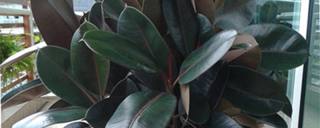
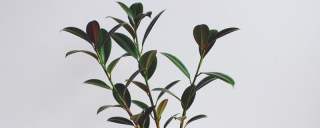
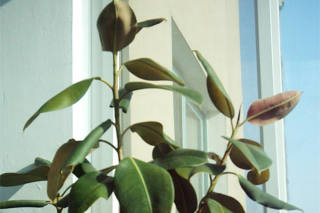
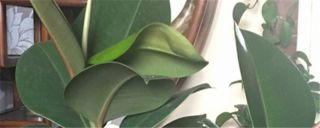
Greetings, caretaker. I am your rubber plant, *Ficus elastica*. I notice your concern when my broad, glossy leaves begin to curl and contort. This is not a new disease I have caught, but rather my primary way of communicating that my living conditions are causing me significant stress. My leaves are my life; they are how I breathe and feed. When they curl, I am trying to conserve my resources and protect myself. To understand how to help me, you must listen to what the curl is saying.
From my perspective, the most common reason my leaves curl is a desperate attempt to reduce surface area. When my roots cannot draw enough water from the soil, my entire system goes into conservation mode. By curling my leaves inward, I am minimizing the amount of leaf tissue exposed to the dry air, which slows down the loss of precious water through tiny pores called stomata. If you see my leaves curling inward, from the edges toward the midrib, and the soil feels dry and crumbly to the touch, I am parched. A consistent, deep watering that allows excess water to drain freely is what I crave. Please do not just give me a sip; quench my thirst thoroughly, but never let me sit in a soggy puddle for long.
Paradoxically, you can also love me a little too much with water. If my pot has no drainage, or if I am watered too frequently, my roots are trapped in saturated soil. They cannot access the oxygen they need to breathe and function. In this waterlogged state, they begin to rot and die. A root system in decay cannot absorb water or nutrients, effectively leaving the rest of my body in a state of drought. The resulting leaf curl can look very similar to that from underwatering because, physiologically, I *am* dehydrated. Check my soil. If it is consistently wet and has a musty smell, and if my leaves are curling while also turning yellow or feeling soft, my roots are drowning. You may need to repot me into fresh, well-draining soil and a pot with adequate drainage holes.
I enjoy bright, indirect light. It fuels my growth. However, when I am placed in direct, harsh sunlight, especially through a window, the intense heat and light can scorch my tissues. The curling leaf is my attempt to shield itself, to fold away from the intense rays. You might also notice a bleaching or browning of the areas most exposed. Similarly, if I am placed near a heat vent or a radiator, the hot, dry air pulls moisture from my leaves faster than my roots can replace it, causing a heat-stress curl. Please move me to a spot with gentler, filtered light and away from direct heat sources.
Sometimes, the stress is not from the elements but from tiny invaders. Pests like spider mites, aphids, and mealybugs are like vampires to me. They pierce my leaves and stems to suck out the sap, which is rich in nutrients and moisture. This direct theft of my vital fluids causes localized stress and damage, often leading the affected leaves to curl, pucker, and yellow. If you see fine webbing, tiny moving specks, or cotton-like masses, I am under attack. You can help by wiping my leaves gently with a damp cloth or using an insecticidal soap or neem oil solution to evict these unwelcome guests.
While less common than the other issues, a significant lack of nutrients, particularly nitrogen, can also cause my leaves to curl and pale. The soil in my pot is a finite resource. Over time, I deplete the available nutrients. If I am not fed during my growing season (spring and summer), I cannot produce the chlorophyll needed for healthy, flat leaves. The curling is a sign of general weakness and malnutrition. A balanced, diluted liquid fertilizer every few weeks during the growing season can restore my vitality.