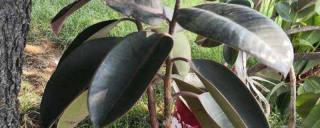
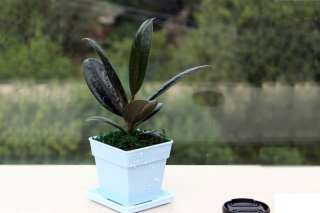
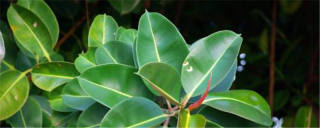
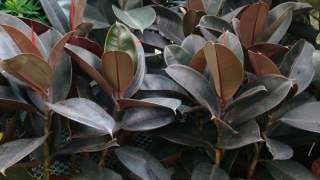
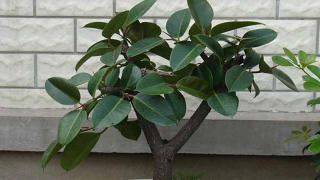
From a botanical perspective, the toxicity of the Rubber Plant (Ficus elastica) is not a malicious trait but rather a highly evolved defense mechanism. Like many other plants in the Moraceae family, particularly the Ficus genus, the Rubber Plant produces a milky white sap known as latex. This sap circulates within a specialized network of vessels called laticifers. The primary purpose of this sap is to protect the plant from herbivores. When a leaf or stem is injured—such as by a cat chewing on it or a dog brushing against a broken branch—the plant exudes this sticky sap to seal the wound and deter the attacker. The toxic compounds within the sap are the plant's chemical arsenal against being eaten.
The milky sap of the Ficus elastica contains two primary compounds responsible for its toxic properties: ficin and ficusin. These compounds are proteolytic enzymes and psoralens, respectively. Proteolytic enzymes like ficin can break down proteins, which leads to irritation upon contact with the soft tissues of an animal's mouth and digestive tract. Psoralens are organic compounds that can make the skin and mucous membranes more sensitive to light, potentially exacerbating irritation. It is important to note that these compounds are present throughout the plant—in the stems, leaves, and even the veins of the leaves—making any part of the plant a potential source of irritation if ingested or if the sap comes into contact with the skin.
The reaction a cat or dog experiences is a direct result of the plant's defensive chemicals interacting with the animal's body. Upon ingestion, the ficin and ficusin cause immediate local irritation. This does not typically lead to life-threatening systemic poisoning but rather to acute, uncomfortable symptoms. The most common signs include drooling, vomiting, diarrhea, and a noticeable loss of appetite. The vomiting is often the body's direct attempt to expel the irritating substance. If the sap gets on the skin, particularly on more sensitive areas like the muzzle or paws, it can cause dermatitis—redness, itching, and swelling. In rare cases, if a significant amount of plant material is consumed, gastrointestinal obstruction could become a concern due to the plant's fibrous nature, but the primary issue remains chemical irritation.
When considering plant toxicity, it is useful to place the Rubber Plant in context with other common houseplants. The Ficus elastica is generally considered to be mildly to moderately toxic. This is a crucial distinction from plants that contain compounds causing severe systemic organ failure, such as lilies (Lilium species), which are highly toxic to cats and can cause acute kidney injury. The Rubber Plant's toxicity is more comparable to that of its relatives, like the Weeping Fig (Ficus benjamina), which also produces a similar irritating sap. The effects are predominantly localized and self-limiting, meaning they typically resolve once the irritant is cleared from the body, though veterinary advice should always be sought.
From a purely plant-centric viewpoint, the Ficus elastica is simply behaving as it has evolved to do. It is not "poisonous" in the way a synthetic chemical might be; it is defensively toxic. Therefore, the responsibility for safety lies with the pet owner. Understanding this botanical reality informs the best course of action: prevention. The most effective strategy is to place the plant in an location completely inaccessible to curious pets, such as on a high shelf or in a room the animals cannot enter. Alternatively, for households with particularly inquisitive pets, opting for non-toxic plant species like Spider Plants (Chlorophytum comosum) or Boston Ferns (Nephrolepis exaltata) eliminates the risk entirely, allowing both the plants and the pets to coexist safely without conflict.