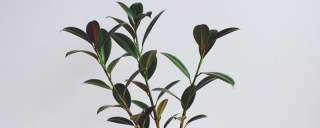
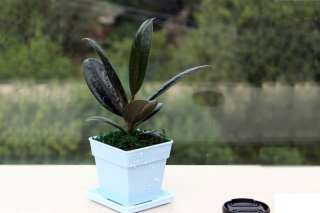
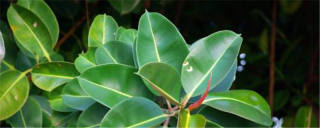
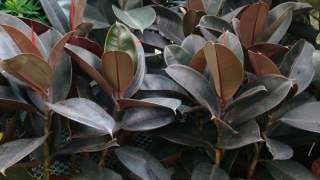
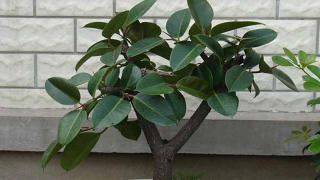
From my perspective as a Rubber Plant (Ficus elastica), drooping leaves are my primary way of communicating a significant imbalance. My large, broad leaves are designed to capture light, but they also lose a lot of water to the air through a process called transpiration. To keep them rigid and upright, a constant, gentle flow of water must move from my roots, up through my stems, and into the leaf tissues, creating something called turgor pressure. Think of it like a balloon full of water; when it's full, it's firm. When my internal water pressure drops, my leaves, like a deflating balloon, begin to droop and feel soft. The cause is almost always related to what's happening with my roots and their ability to access both water and oxygen.
This is the most common and dangerous issue I face. My roots need to breathe. They require oxygen from the air pockets in the soil to create energy. When you are too generous with water, the soil becomes saturated, filling all those air pockets. My roots are essentially submerged and begin to suffocate. Without oxygen, they cannot function and start to rot, turning soft, brown, and mushy. Once my root system is damaged, it can no longer absorb water, no matter how much is in the pot. Ironically, this leads to a state of drought within my own body. The water is present, but I cannot drink it, and my leaves droop from thirst. You might also notice yellowing leaves or a musty smell from the soil, which are clear distress signals from my decaying root system.
The opposite problem is much simpler but equally stressful. If the soil becomes completely dry for too long, the fine root hairs responsible for water uptake shrivel and die. Without these microscopic workers, the water you eventually provide just runs past the main roots without being absorbed. The pipeline from the soil to my leaves is broken. My cells lose their turgor pressure, and my leaves droop, often feeling thin, crispy, or leathery around the edges before the droop becomes severe. In this case, I am simply, genuinely thirsty. My entire structure is designed for consistent moisture, not a cycle of flood and famine.
While water is the main culprit, other factors can contribute to my drooping posture. A sudden change in my environment, like being moved to a new location, can cause temporary drooping as I expend energy to acclimate. I am particularly sensitive to drafts—both cold drafts from windows or doors and hot drafts from heating vents. These can increase water loss from my leaves faster than my roots can replenish it, leading to drooping. Similarly, if light levels drop significantly (e.g., during a season change), my metabolic processes slow down, including water uptake, which can also result in a slight sag as I adjust my energy use.
To fix my drooping leaves, you must first correctly diagnose the issue. Check the soil about 2 inches down. If it is soggy, you are likely overwatering. I need you to stop watering immediately and let the soil dry out considerably. In severe cases, you may need to take me out of the pot, trim away any black, mushy roots, and repot me into fresh, well-draining soil. Ensure my pot has adequate drainage holes. If the soil is bone dry, I need a thorough, deep watering. Water me slowly until water runs freely from the drainage holes, ensuring the entire root ball is moistened. Then, allow the top few inches of soil to dry out before watering again. Please also assess my location. Move me away from drafts and ensure I receive plenty of bright, indirect light. With patience and the right balance, my internal water pressure will restore, and I will be able to hold my leaves high and proud once again.