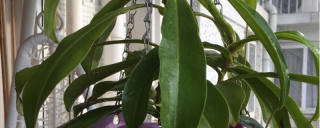
From my position at the heart of the plant, I, the rhizome, feel everything. I am the underground stem from which all roots and leaves emerge. For many seasons, I have grown steadily, producing new growth points, or "eyes." But now, the pot feels constricting. My roots are densely tangled, competing for every particle of moisture and nutrient in the depleted soil. I sense a lack of vigor in the pitchers I produce; they are smaller, fewer. My central purpose is to grow and propagate, and this overcrowding is a signal. The time for division is near. This is not an end, but a necessary renewal, a chance for my distinct segments to establish new colonies and thrive independently.
My internal clock is synchronized with the sun. The ideal time for this transition is in late winter or early spring, just as I sense the days lengthening. At this moment, I am emerging from a period of slow winter growth. My energy is stored within my rhizome, ready to be mobilized for a surge of new root and leaf development. Dividing me at the peak of my summer growth would be a severe shock, diverting energy from active pitcher production to desperate root regeneration. A dormant or near-dormant division allows me to direct all my resources into establishing a new root system before the demanding growing season begins. This timing gives the new divisions the best possible start.
When the gardener lifts me from my pot, it is a moment of vulnerability. The gentle washing away of the old soil is a relief, exposing my root structure and making the natural divisions clear. I am not a single entity but a network of interconnected stems. The gardener must look for sections where I have naturally formed distinct growth points, each with its own set of roots. Using a sterile, sharp blade for a clean cut is crucial. A ragged tear from a dull tool can crush my tissues, leaving me open to rot and infection. The goal is to create self-sufficient divisions, each with a healthy portion of rhizome and a good mass of white, firm roots. Smaller divisions with insufficient roots may struggle to uptake enough water and could perish.
The old potting mix is exhausted and may harbor pathogens. My new home must be perfectly suited to my needs. I require an acidic, low-nutrient, and airy medium. A blend of sphagnum peat moss, perlite, and perhaps some orchid bark or horticultural charcoal is ideal. This mixture retains moisture while allowing oxygen to reach my roots, preventing the suffocation and rot that would occur in standard, dense potting soil. The pot should be just large enough to accommodate my root system with a little room for growth; an overly large pot holds too much water, creating a dangerous environment for my sensitive roots. After being placed in the new medium, a thorough watering helps settle the mix around my roots, eliminating air pockets.
The first few weeks after division are a delicate period. My root system has been disturbed and is not yet fully functional. I need high humidity to reduce water loss through my leaves while my roots re-establish. Placing a clear plastic bag over me or putting my pot in a humid terrarium creates a mini-greenhouse effect. I should be kept in bright, indirect light; direct sun at this stage would place too much stress on me. The soil should be kept consistently moist but not waterlogged. It is normal if some of my older pitchers wither—this is a sign that I am wisely redirecting energy to root growth. With patience and the right conditions, I will soon produce new, vibrant pitchers, signaling a successful transition into a new phase of life.