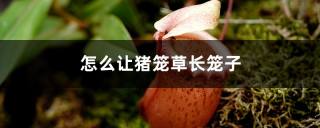
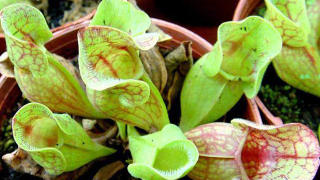
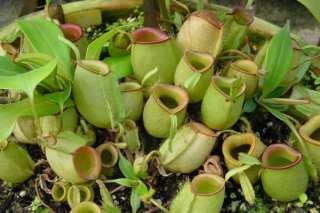
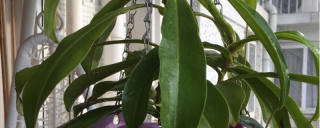
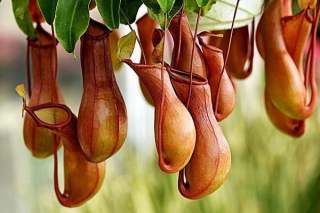
From a botanical perspective, the term "toxic" when applied to pitcher plants (plants of the genera Nepenthes, Sarracenia, and others) requires precise definition. Unlike many common houseplants that produce potent chemical compounds like insoluble calcium oxalates (e.g., Dieffenbachia) or cardiac glycosides (e.g., Oleander), pitcher plants are not considered to be systemically poisonous. They do not produce toxins with the primary evolutionary purpose of deterring mammalian herbivores. Their fascinating carnivorous adaptation is aimed solely at trapping and digesting small insects and arthropods. Therefore, the primary risk to a cat or dog is not chemical poisoning from ingesting the plant's tissues in the same way it would be from a lily or a sago palm.
The most significant danger lies within the pitcher itself. Each pitcher is a modified leaf that holds a pool of digestive enzymes and bacteria. This fluid is a complex mixture, including proteases (enzymes that break down proteins) and other compounds designed to liquefy prey. If a curious pet were to drink this fluid, it could cause significant irritation to the gastrointestinal tract. The consequences can include vomiting, diarrhea, and drooling. The severity would depend on the amount ingested and the individual sensitivity of the animal. It is important to note that this fluid is an external digestive system; it is not a toxin circulating within the plant's vascular system, but rather a highly specialized and acidic secretion that is hazardous if consumed.
Beyond the digestive fluid, the physical structure of the pitcher plant presents a secondary hazard. The pitchers are often delicate and can be easily broken by a pet playing with or chewing on the plant. The broken edges can be sharp, posing a risk of cuts or abrasions to the mouth, tongue, or paws. Furthermore, if a piece of the plant is swallowed, it could potentially cause a mechanical obstruction in the digestive tract, especially in smaller animals. While the plant material itself is not chemically toxic, any non-digestible plant matter can lead to choking or blockages if ingested in large enough pieces.
For context, it is useful to compare pitcher plants to other popular carnivorous plants. The Venus flytrap (Dionaea muscipula), for example, poses an even lower risk. Its trap mechanism is triggered by movement, but it is too small to harm a pet's tongue or paw meaningfully, and it does not contain significant amounts of digestive fluid. Sundews (Drosera), which use sticky mucilage to catch prey, are also considered non-toxic, though the sticky substance might cause minor mouth irritation. The pitcher plant, with its reservoir of liquid, represents a more substantial risk within the carnivorous plant family due to the volume of its digestive secretion.
While pitcher plants are not classified as lethally toxic, they are undoubtedly unsafe for pets. The combination of the irritating digestive fluid and the risk of physical injury makes them a plant best kept out of reach. Placing them in hanging baskets or in a room inaccessible to pets is the most effective strategy. If a pet is suspected of having ingested the digestive fluid or parts of the plant, monitoring for signs of gastrointestinal upset is crucial. Consulting a veterinarian is always recommended if any symptoms like vomiting or lethargy occur, as they can provide appropriate care for the irritation and ensure no physical obstruction is present.