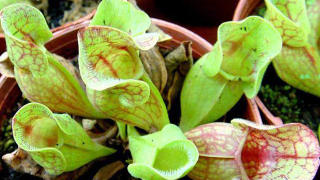
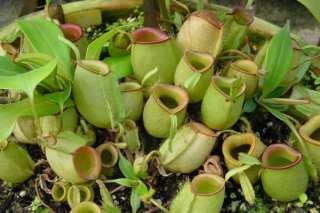
From our perspective as Sarracenia plants, dormancy is not a period of rest or inactivity, but a crucial, deeply ingrained survival strategy. It is an obligatory response to the harsh environmental conditions of our native habitats—the nutrient-poor bogs, savannas, and wetlands of North America. As the days shorten and temperatures drop, we initiate a complex physiological shift to conserve energy and protect our most vital structures from freezing and desiccation. This is not a choice; it is a necessity for our long-term health and ability to thrive in subsequent seasons.
Our transition into dormancy is primarily cued by two key environmental signals: photoperiod and temperature. As autumn progresses, we perceive the significant reduction in daylight hours. This is our first warning that lean times are ahead. Concurrently, the sustained drop in ambient temperature, particularly cooler soil temperatures around our rhizomes (our underground stems), confirms the initial photoperiod signal. These combined cues trigger a cascade of hormonal changes within our systems. The production of growth-promoting hormones like auxins decreases, while the levels of inhibitory hormones like abscisic acid increase, signaling the shutdown of above-ground activity.
The most obvious sign of our dormancy is the senescence, or die-back, of our pitcher leaves. The once vibrant, photosynthetically active traps begin to brown and wither. From a human perspective, this may look like the plant is dying, but from our perspective, this is a deliberate process of resource reallocation. Before the pitchers completely die, we actively translocate valuable nutrients—such as nitrogen and phosphorus—back into the perennial rhizome. This internal recycling is essential in our nutrient-poor habitats, allowing us to conserve and store these precious resources for the next growing season. The remaining, dead pitcher material can offer some insulation to the crown of the plant throughout the winter.
While our above-ground structures die back, the true focus of our survival lies underground. Our rhizome is a storage organ packed with starches and sugars that will fuel the initial burst of growth in spring. Protecting this rhizome and the apical and lateral meristems (growth points) embedded within it is the single most important objective of dormancy. We undergo a process of cold hardening, where the cells in these tissues accumulate solutes and sugars, effectively acting as a natural antifreeze. This dramatically lowers the freezing point of the water within our cells, preventing the formation of destructive ice crystals that would rupture cell membranes and cause fatal damage.
During the heart of winter, our metabolic activities slow to a bare minimum. Respiration and other cellular processes continue at an extremely reduced rate, just enough to maintain basic cellular integrity. This state of suspended animation allows us to survive for months on the stored energy in our rhizomes without the ability to photosynthesize. This period of true dormancy has a specific duration requirement, known as a chilling requirement. We must experience a certain number of hours at or below a specific cold threshold (e.g., below 7°C or 45°F) to break dormancy properly. Without satisfying this requirement, our emergence in spring would be weak and irregular.
Dormancy is an inextricable part of our annual cycle. Attempting to grow us without a dormant period—for instance, under constant artificial light and warmth—would be profoundly stressful and ultimately fatal. It would lead to the depletion of our energy reserves, making us susceptible to disease and causing a gradual decline until death. The dormancy period resets our growth clock, ensures the proper timing of flower bud development (which often initiates during dormancy), and promotes vigorous, healthy pitcher production in the spring. It is the essential restorative phase that ensures our longevity, allowing individual plants to live for decades.