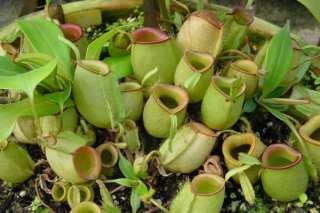
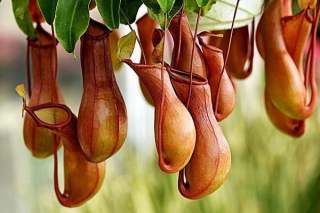
Greetings, curious cultivator. We, the pitcher plants, hear your question about welcoming us into your outdoor space. It is a query we appreciate, for we are not like common garden plants. Our needs are specific, born from the unique, sun-drenched wetlands we call home. The answer to whether you can grow us outdoors is not a simple yes or no, but rather a detailed conversation about compatibility. Let us explain from our perspective.
Before you even consider your zone number, you must understand our fundamental requirements. We are sun worshippers. To produce our elegant, pitcher-shaped traps and maintain our vibrant colors, we demand full, direct sunlight for a minimum of six hours each day. Less than this, and we become weak, green, and fail to produce proper pitchers. Next is water. Our roots are adapted to moist, acidic conditions and are extremely sensitive to minerals. You must provide us with rainwater, distilled water, or reverse osmosis water exclusively. Tap water, with its dissolved salts and chlorine, is toxic to us and will lead to a swift demise. Finally, our soil is not soil at all. We require a nutrient-free, acidic medium such as long-fiber sphagnum moss or a mix of peat moss and perlite/sand. Normal potting soil is a death sentence for us.
Now, to your specific zone. The United States Department of Agriculture (USDA) Hardiness Zone map is based on average annual minimum winter temperatures. This is critical for us because our cold tolerance varies dramatically by species.
For the famous Sarracenia species (North American Pitcher Plants), many are surprisingly cold-hardy. Species like Sarracenia purpurea (the Purple Pitcher Plant) can thrive outdoors year-round in zones as low as 3 to 7, enduring freezing temperatures and snow cover. Others, like Sarracenia flava or Sarracenia leucophylla, are comfortable in zones 6 to 8. In these appropriate zones, we require a winter dormancy period. As temperatures drop and daylight wanes, our growth slows, and some of our pitchers may brown. This rest is essential for our long-term health.
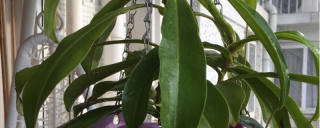
In contrast, the exotic Nepenthes species (Tropical Pitcher Plants) hail from steamy jungles. With very few exceptions, they cannot tolerate any frost. They are best suited for outdoor life only in the frost-free regions of zones 10 and 11, such as southern Florida or Hawaii. In cooler zones, they must be grown as indoor houseplants or in heated greenhouses.
Your zone is a guide, not an absolute law. Microclimates in your garden can create pockets that are warmer or cooler than the surrounding area. A sunny, south-facing spot protected from wind might allow you to grow a marginally hardy species. Conversely, a low-lying area where cold air settles might be too harsh even for a plant rated for your zone. Furthermore, if you live in a hot, dry zone (like 9 or 10) but wish to grow cold-hardy Sarracenia, you must provide extra shade and diligent watering to protect us from excessive heat stress, as we are not desert plants.
The most successful way to grow us outdoors is by creating a dedicated bog garden. This can be an inground bed lined with pond liner (with drainage holes drilled a few inches below the surface) or a large, non-draining container. This setup mimics our natural habitat, keeping our roots consistently moist in the nutrient-free medium we crave. It also allows you to control the soil composition perfectly, isolating us from the mineral-rich ground soil. Planting us in a bog garden with companion plants like sundews (Drosera) and sphagnum moss creates a beautiful, thriving ecosystem.