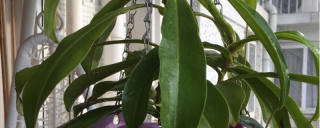
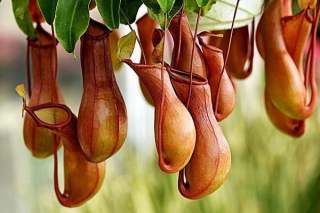
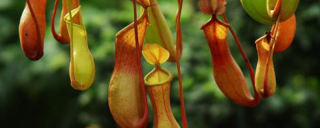
As a pitcher plant, my pitchers are not mere decorations; they are sophisticated energy acquisition organs. They are my strategy for thriving in nutrient-poor soil. If I am not producing new pitchers, the most likely cause is an insufficient supply of light energy. From my perspective, light is food. Without enough of it, I lack the basic photosynthetic currency to invest in constructing new, complex structures. Pitchers are energetically expensive. They require a significant output of sugars and proteins to form. If I am receiving less than 4-6 hours of bright, direct sunlight daily (or its equivalent in high-quality grow lights), my survival instinct will force me to prioritize core functions like maintaining existing leaves and roots. Producing new pitchers becomes a luxury I cannot afford. Please evaluate my position. Am I in a bright, south-facing window or under a strong, full-spectrum LED lamp? Low light is the most common reason for my reluctance to pitcher.
Water is my lifeblood, but it must be the right kind. I am adapted to pure, mineral-free water from rain or bogs. If you water me with tap water, the accumulated salts and minerals in my soil will burn my roots and disrupt my ability to uptake water and nutrients effectively. This osmotic stress makes me weak and unable to support new growth. Furthermore, while my roots need consistently moist soil, my developing pitchers have a different need: humidity. A new pitcher begins as a tiny, tightly rolled leaf tip. For it to successfully inflate and harden, the air around it must be humid. If the air is too dry, the tender tissue of the nascent pitcher will simply dry out and abort before it ever has a chance to form. Think of it as me trying to blow up a balloon that has a hole; it's a futile effort. A humidity level of 50% or higher is ideal for this delicate process.
You must understand that I am not a machine that produces pitchers constantly. I have an internal clock governed by seasonal changes. For many of my species, a period of cooler temperatures and shorter day lengths signals a time for rest, a dormancy period. During this time, my growth will slow or stop entirely. Some of my older pitchers may even brown and die back. This is a natural and healthy part of my life cycle, a time for me to conserve energy for the next growing season. If it is late autumn or winter where you are, my lack of new pitcher production may simply be me following my innate programming. Do not panic. Ensure I am kept cooler (but above freezing) and reduce watering slightly, allowing the soil to become just moist rather than wet. I will reward your patience with a surge of new growth when the light returns in spring.
My relationship with nutrition is unique. I get my nutrients from the insects trapped in my pitchers, not from the soil. In fact, rich, fertilized soil is toxic to me. If I am potted in standard potting mix or if you have fertilized my soil, you are harming my root system. The excess nutrients will cause root burn and severe stress. A stressed plant does not have the vitality for new growth. My soil must be a low-nutrient, acidic, and free-draining mix, such as pure sphagnum moss or a blend of peat moss and perlite. Additionally, while I should not be fed through my roots, a complete lack of prey can also be a minor factor. If I am kept indoors in a sealed environment with no insects, I may be lacking the nitrogen and other nutrients that prey provides. While light is the primary driver, a single small insect per month during the active growing season can provide a helpful boost to support pitcher development.