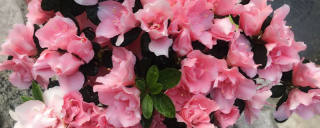
Purchasing a healthy azalea from a store is the first critical step toward enjoying its spectacular blooms. A plant that is stressed or diseased at the point of sale will struggle to thrive, even with perfect care at home. By examining the plant from a botanical perspective—focusing on its roots, foliage, stems, and buds—you can make an informed choice that leads to long-term success.
The health of an azalea begins underground, with its fine, fibrous root system. Gently slide the plant out of its nursery pot to examine the root ball. Healthy roots should be firm and white or light tan in color. A pot that is tightly packed with a dense mat of roots, often called "root-bound," is a significant concern. This condition indicates the plant has been stressed in the container, which can lead to dehydration and nutrient deficiencies as the roots struggle to function. Furthermore, be vigilant for any signs of root rot, which presents as soft, mushy, dark brown or black roots, often accompanied by a foul, decaying smell. This is a serious fungal issue that is difficult to reverse.
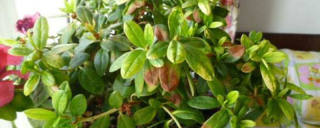
The leaves of an azalea are excellent indicators of its overall vitality and cultural conditions. Look for foliage that is uniformly green, glossy, and turgid. Avoid plants with yellowing leaves (chlorosis), which can signal overwatering, poor soil pH, or nutrient deficiencies. Brown leaf tips or edges often point to underwatering, low humidity, or fertilizer burn. Carefully inspect the undersides of the leaves and the junctions where leaves meet the stems. This is where pests such as aphids, spider mites, and lace bugs commonly congregate. Look for tiny insects, fine webbing, or stippling marks on the leaves. A plant with sparse foliage is likely not receiving adequate light or has been poorly maintained.
The stems and branches provide the structural framework for the plant. A healthy azalea should have a well-balanced, bushy shape with multiple branches emerging from the base. Avoid plants that are leggy or have a significant portion of bare stems, as this indicates etiolation—stretching for light. Run your fingers lightly along the stems. They should feel firm and sturdy, not soft or brittle. Use your thumbnail to gently scratch a very small section of bark on a main stem; green tissue underneath (the cambium layer) confirms the stem is alive. Brown, dry tissue beneath the scratch is a sign of dead or dying wood. Also, check for any cracks, cankers, or oozing sap, which are symptoms of physical damage or disease.
While a plant in full, glorious bloom is tempting, from a horticultural standpoint, a plant with mostly unopened buds is a wiser choice. An azalea expends a tremendous amount of energy to flower. A plant that is already in full bloom at the store has used much of its energy reserves for that display. The stress of transport and adjustment to a new home environment can cause it to drop flowers and buds prematurely. Selecting a plant with abundant, plump, green buds that are just beginning to show color ensures you will enjoy a longer bloom period in your home. It also allows the plant to acclimate to its new conditions before committing energy to the demanding process of flowering.
The condition of the growing medium offers clues about the care the plant has received. The soil should be moist but not waterlogged. A pot that feels excessively heavy or has a layer of green algae on the soil surface suggests chronic overwatering. Conversely, a pot that is very light and has soil pulling away from the edges indicates the plant has been severely underwatered and is likely stressed. Finally, check for weeds or moss growing in the pot. While not directly harmful, their presence suggests the azalea has been in the same container for an extended period and may be neglected or pot-bound.