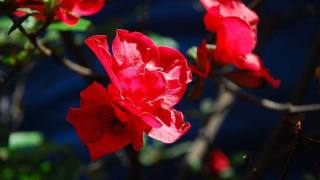
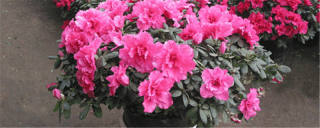
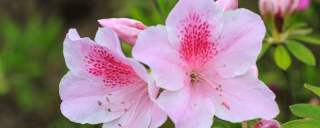
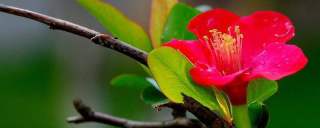
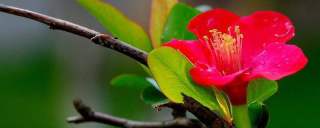
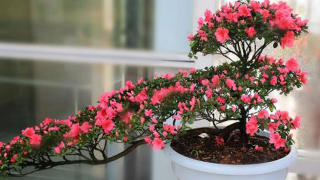
Greetings, human cultivator. I am an azalea, specifically a type of Rhododendron simsii, often brought indoors for my vibrant blooms. While my ancestral home is in the dappled light of woodland clearings, I can thrive in your home if you understand my fundamental needs. This guide is from my perspective, to help you see the world through my leaves and roots.
First and foremost, let's talk about light. I am not a sun-worshipper like a cactus, nor am I a creature of the deep shade like a fern. I am a Goldilocks plant; I need light that is just right. Direct, harsh afternoon sun will scorch my delicate leaves, leaving them brown and crispy. However, too little light will cause me to become leggy, with sparse leaves, and I will refuse to produce the magnificent flowers you desire. Please place me in a spot with bright, indirect light. An east-facing window is ideal, where I can bask in the gentle morning sun. A north-facing window can also work, or a few feet back from a south or west window, perhaps filtered by a sheer curtain. Watch my leaves—they will tell you if I'm happy.
Water is a critical and often misunderstood aspect of my care. My roots are fine and fibrous, and they despise sitting in soggy, waterlogged soil. This condition, called root rot, is a death sentence for me. It suffocates my roots, turning them mushy and black. Therefore, you must water me thoroughly when the top inch of the soil feels dry to your touch, allowing excess water to drain completely from the pot's bottom. Never let me sit in a saucer of water. Equally important is humidity. The air in most homes is too dry for me, especially when heaters are running. Low humidity stresses me, leading to curled leaf edges and dropped buds. Please increase the moisture in the air around me by placing my pot on a tray of pebbles filled with water (ensure the pot is on the pebbles, not in the water), grouping me with other plants, or using a room humidifier.
You cannot plant me in just any bag of soil from the garden center. I am an acid-loving plant, which means I require a specific soil pH to access the nutrients I need. Standard potting mixes are often too alkaline for me. If you plant me in the wrong soil, my leaves will turn yellow between the veins (a condition called chlorosis) because I cannot absorb iron. You must use a potting mix specifically formulated for acid-loving plants like azaleas, camellias, or rhododendrons. These mixes contain the right pH balance and provide the excellent drainage my roots crave.
When I am in bloom, I am expending a tremendous amount of energy. To support this effort and encourage future growth, feed me with a fertilizer designed for acid-loving plants. However, only do this when I am actively growing or blooming, typically in the spring and summer. Follow the dilution instructions carefully, as too much fertilizer can burn my roots. After my flowers fade, this is a crucial time. You should carefully remove the spent blooms (a process called deadheading) to prevent me from wasting energy on seed production. This encourages me to put energy into growing new leaves and branches, setting the stage for next year's display.
To truly thrive and bloom again year after year, I need a period of rest, or dormancy. After my flowering show is over, I appreciate a cooler period. If possible, move me to a cooler room (around 50-60°F or 10-15°C) for several weeks. Reduce watering slightly, just enough to keep my soil from completely drying out. This cool rest mimics my natural winter cycle and is essential for me to set buds for the next season. Without this period, I may survive as a foliage plant, but I will likely not reward you with another spectacular bloom.