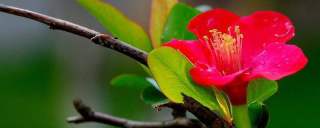
From a botanical perspective, the primary difference between indoor and outdoor azalea care stems from the plant's fundamental environmental adaptation. Azaleas, belonging to the genus Rhododendron, are naturally outdoor, temperate woodland plants. They are genetically programmed for seasonal cycles, including a period of winter dormancy triggered by cooler temperatures and shorter day lengths. When grown outdoors in appropriate hardiness zones, the plant follows its natural rhythm. In contrast, an indoor azalea is perpetually removed from these environmental cues. The consistent, warm temperatures of a typical home prevent the plant from entering dormancy, which can exhaust its energy reserves over time. Therefore, indoor care is essentially an artificial simulation of the plant's ideal conditions, a constant battle against its innate need for seasonal change.
The quality, duration, and intensity of light received by an indoor versus an outdoor azalea differ significantly, directly impacting photosynthesis. An outdoor azalea thrives in dappled sunlight or partial shade, mimicking its natural understory habitat. It receives full-spectrum light, including vital blue and red wavelengths necessary for robust growth and flower bud set. An indoor azalea, however, is subjected to light filtered through glass, which can reduce its intensity and alter its spectrum. A south-facing window might provide sufficient light in winter but can scorch the leaves in summer, while a north-facing window may never provide enough photons for effective energy production. Consequently, the indoor plant must be rotated frequently and its placement carefully managed to avoid light stress, a concern largely irrelevant for a correctly sited outdoor specimen.
Water management is a critical point of divergence. Outdoor azaleas benefit from a more natural water cycle, including rainfall and ground moisture, and their roots are insulated by the mass of the earth. Their primary need is consistently moist, well-draining, acidic soil. Indoor azaleas, confined to pots, face two major challenges: water quality and humidity. Tap water is often alkaline, which gradually raises the soil pH, leading to chlorosis (yellowing leaves) as the plant cannot uptake iron. Using rainwater or acidified water is therefore essential indoors. Furthermore, indoor heating and air conditioning create arid air, far from the humid conditions azaleas prefer. This low humidity promotes spider mite infestations and causes bud blast (buds drying and dropping). Outdoor plants rarely suffer from these issues due to natural ambient humidity.
Temperature regulation is perhaps the most physiologically distinct factor. An outdoor azalea experiences a natural temperature gradient throughout the year. The cooling temperatures of autumn are crucial for initiating the development of flower buds for the following spring. A period of cold winter dormancy is not just beneficial but necessary for the plant's long-term health, allowing it to conserve energy. An indoor azalea is kept in a relatively stable, warm environment, typically between 65-75°F (18-24°C). This constant warmth disrupts the bud-setting process and prevents dormancy, leading to a cycle of forced, weak growth. To even attempt flowering, indoor azaleas often require a deliberate cooling period, such as placement in an unheated garage, to simulate winter conditions.
While both indoor and outdoor azaleas require ericaceous (acidic) soil, the dynamics of the soil environment are different. Outdoor plants are planted in the earth, where the soil ecosystem is vast and buffered. Microbial activity, moisture retention, and nutrient availability are more stable. The root system can spread freely to seek out nutrients and moisture. A potted indoor azalea exists in a closed, finite system. The soil can become depleted of nutrients quickly, and salts from fertilizers and water can build up to toxic levels, damaging the delicate, fibrous roots that are essential for nutrient uptake. This necessitates a strict regimen of fertilization with an acidic formula and periodic repotting to refresh the growing medium, concerns that are minimal for an established outdoor plant.