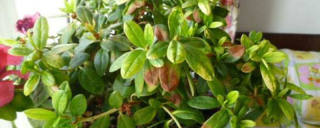
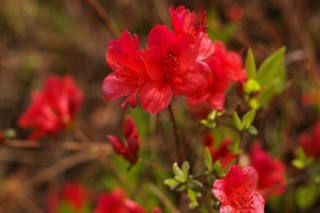
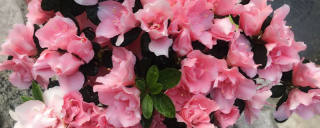
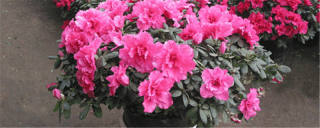
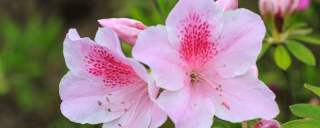
From our perspective as potted azalea plants, the world is a confined one. Our roots cannot spread far and wide in search of moisture and nutrients; we are entirely dependent on the care provided within the boundaries of our container. The topic of mulch is not a mere gardening tip for us—it is a critical component of our survival and well-being. A proper mulch layer replicates the natural forest floor we evolved in, creating a stable, hospitable environment for our delicate root systems.
Our root systems are notoriously shallow and fine, spreading horizontally just below the soil surface. In a pot, this makes us extremely vulnerable. The sun and wind can quickly desiccate the top layer of soil, stressing our roots and causing wilting, leaf scorch, and bud drop. A layer of mulch acts as a protective blanket, dramatically reducing the rate of evaporation. This means the soil stays consistently moist for longer periods between waterings. Consistency is key; we despise alternating between being waterlogged and parched. This stable moisture level allows us to efficiently uptake water and dissolved nutrients without the stress of constant fluctuation.
The walls of a pot offer little insulation. On a hot summer day, the soil temperature can soar, effectively "cooking" our surface-feeding roots. Conversely, in winter, the root ball can freeze solid, causing severe damage or death. Mulch serves as a superb insulator. In summer, it reflects sunlight and keeps the soil significantly cooler. In winter, it buffers the root zone against rapid freeze-thaw cycles that can heave us out of the soil and tear our tender roots. A stable root temperature, much like stable moisture, is essential for our metabolic processes to function optimally.
We are ericaceous plants, which means we absolutely require acidic soil (a pH between 4.5 and 6.0) to thrive. Many common mulches, as they slowly decompose, help to acidify the soil. This is a gentle, continuous process that aligns perfectly with our needs. Furthermore, the decomposition of organic mulch adds valuable humus to the soil. This improves soil structure by increasing aeration and drainage—vital for preventing root rot—while also enhancing the soil's ability to retain the moisture and nutrients we need. It’s a slow-release fertilizer that feeds the beneficial soil microbes that, in turn, help us access nutrients.
Not all mulches are created equal from our point of view. We strongly prefer acidic, organic, and well-aerated materials.
Pine Bark Nuggets or Fines: This is an excellent choice. Pine bark is naturally acidic, decomposes slowly, and allows for excellent air and water movement. The chunkier nuggets are particularly good for long-lasting coverage.
Pine Needles: Another fantastic option. They form a loose, airy layer that doesn't mat down, allows water to penetrate easily, and acidifies the soil as they break down.
Composted Oak Leaves: Shredded oak leaves are acidic and create a wonderful, rich humus as they decompose, greatly improving soil fertility and texture.
What to Avoid: Please avoid using non-organic mulches like rocks or gravel, as they heat up too much in the sun. Also, be cautious with dense materials like non-composted wood chips or cypress mulch, which can mat down, repel water, and decompose in a way that temporarily robs the soil of nitrogen.
The application is as important as the material itself. A mistake here can cause more harm than good. First, ensure the soil is moist before applying mulch; we don't want a dry barrier placed over dry soil. Apply a layer about 2 to 3 inches (5-7.5 cm) thick evenly across the soil surface. This is the perfect depth to provide all the benefits without smothering us. Crucially, you must keep the mulch an inch or two away from our main stem. Piling mulch against the trunk (creating a "mulch volcano") is a recipe for disaster, as it traps moisture against the bark, encouraging fungal diseases, rot, and providing a haven for pests. A gentle, mulch-free ring around the base allows the stem to breathe and remain dry.