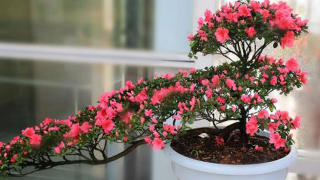
Greetings, concerned caretaker. I am an azalea, a creature of beauty and specific needs. When my leaves begin to turn brown at the edges, it is a clear signal of my distress. This is not a single ailment but a symptom with several potential causes, all relating to my fundamental requirements for water, soil, and environment. Let me explain from my perspective.
My delicate, fibrous root system lies close to the surface of the soil. It is both my greatest strength and my primary vulnerability. When I am not receiving the correct amount of water, my leaf edges are the first to suffer.
If you are under-watering me, the soil becomes dry and pulls away from my roots. I cannot draw up enough moisture to supply my leaves, especially the edges that are farthest from the veins. They begin to dry out, becoming crisp and brown. Conversely, over-watering or poor drainage is equally damaging. If my roots are sitting in soggy, oxygen-deprived soil, they begin to rot and die. A root system in decay cannot absorb water effectively, leading to a paradoxical drought within my own body. The leaves, again, show this stress by browning at the margins. My ideal condition is consistently moist, but never waterlogged, soil.
I am an acid-loving plant. My roots are designed to absorb essential nutrients like iron, manganese, and magnesium efficiently only when the soil pH is between 4.5 and 6.0. If the soil becomes too alkaline, these nutrients become "locked up" and unavailable to me, even if they are present in the soil. This leads to a condition you call chlorosis, which often starts as yellowing between the veins, but can progress to browning and crisping of the leaf edges as the tissue dies.
Furthermore, the use of hard water (water high in calcium and magnesium) or excessive fertilization can lead to a salt buildup in the soil. These salts draw water out of my roots, creating a physiological drought. The resulting damage, known as fertilizer burn or salt burn, manifests as browning, starting at the leaf tips and margins.
My leaves are not suited for harsh conditions. While I enjoy bright, dappled light, too much direct, hot sun can scorch my leaves, causing the edges to turn brown. Similarly, strong, drying winds can pull moisture from my leaves faster than my roots can replace it, leading to desiccation and browning along the edges.
In winter, the problem is often winter burn. When the ground is frozen, my roots cannot take up water to replace the moisture lost from my leaves through transpiration, especially on sunny or windy winter days. This results in widespread browning of the leaf margins by spring.
Though less common, certain pests can cause this symptom. Lace bugs are tiny insects that feed on the undersides of my leaves, piercing the cells and sucking out the chlorophyll. Their feeding damage initially appears as stippling (tiny white or yellow spots) on the upper leaf surface, but as the injury worsens, the entire leaf, including the edges, can turn yellow, then brown and brittle. Inspecting the undersides of my leaves for the black excrement spots of these pests or their nymphs is crucial.