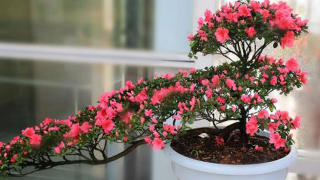
The primary consideration when choosing a pot for an azalea stems directly from its root system. Azaleas are shallow-rooted, fibrous plants. Their roots do not aggressively seek deep soil but instead form a dense, mat-like network relatively close to the surface. This characteristic has two critical implications for pot selection. First, a pot that is excessively deep is not only unnecessary but can be detrimental. Deep soil below the root mass can retain too much moisture, leading to waterlogging and a lack of oxygen in the root zone, which azaleas are highly sensitive to. Second, the pot must provide adequate horizontal space for this fibrous network to expand outwards, supporting healthy top growth.
Perhaps the most non-negotiable feature of an azalea pot is excellent drainage. Azaleas require consistently moist but never soggy soil. Their fine roots are exceptionally prone to rot in waterlogged conditions. Therefore, the chosen container must have multiple, large drainage holes at the bottom. A pot with a single small hole is a significant risk. Furthermore, it is advisable to avoid pots that come with attached saucers that can trap water; it is better to use a separate saucer that can be emptied after watering. Some gardeners even elevate their pots slightly on "pot feet" or bricks to ensure water flows freely away from the drainage holes.
Choosing the correct pot size is a balance between providing room for growth and avoiding the pitfalls of an oversized container. A good rule of thumb is to select a pot that is only 1 to 2 inches (2.5 to 5 cm) larger in diameter than the plant's current root ball. For example, if the root ball is 6 inches across, an 8-inch pot is ideal. This modest increase provides enough new territory for root expansion over the next one to two years without leaving a large volume of soil that will stay wet and cause root rot. When repotting a mature azalea, the same principle applies; move up to the next suitable size rather than jumping to a much larger pot. Azaleas generally thrive when slightly pot-bound, which can encourage better flowering.
The material of the pot influences soil moisture and temperature, directly impacting the plant's well-being.
Porous Materials (Unglazed Terracotta and Clay): These are excellent choices for azaleas, particularly for gardeners who tend to overwater. The porous walls allow air to penetrate the soil and water to evaporate from the sides, helping to keep the root zone well-aerated and preventing sogginess. The main drawback is that they can dry out more quickly, requiring more frequent watering, especially in hot weather.
Non-Porous Materials (Glazed Ceramic, Plastic, and Fiberglass): These pots retain moisture much more effectively. This can be an advantage in dry climates or for those who struggle to water frequently. However, it demands greater discipline in watering practices to prevent overwatering. Plastic pots are also lighter, making large azaleas easier to move. When using non-porous pots, being extra vigilant about drainage and checking soil moisture before watering is crucial.
While not directly a plant physiological factor, the weight and stability of the pot are practical concerns that affect the plant's security. A large azalea in a top-heavy, lightweight plastic pot can be easily knocked over by wind or pets, potentially damaging the plant. Heavier materials like terracotta or ceramic provide a stable base. For larger azalea specimens, choosing a heavier pot or ensuring a lightweight pot is securely positioned is important for the long-term safety and upright growth of the plant.