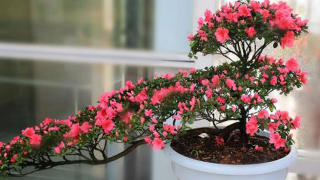
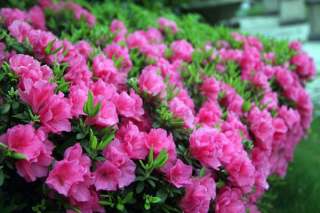
From our perspective as azaleas, soil pH is not just a number; it is the fundamental gatekeeper of our health. The pH level of the soil directly controls the chemical environment around our root systems. It dictates which nutrients are available for us to absorb and which remain locked away in the soil, no matter how rich it may be. When the pH is correct, the microscopic gates in the soil open, allowing essential elements like iron, manganese, and nitrogen to dissolve in the soil water. Our fine, hair-like feeder roots can then easily drink in these nutrients, fueling every part of our being for vibrant green leaves and spectacular blooms.
We azaleas, along with our rhododendron and blueberry relatives, thrive in a specific pH range that is more acidic than what many other plants prefer. Our ideal soil pH is between 4.5 and 6.0. Within this range, the chemistry of the soil is perfectly suited to our biological needs. This acidic environment is where we evolved, and our root physiology is specifically adapted to it. When the pH is maintained within this sweet spot, we can efficiently process all the necessary building blocks for chlorophyll production, strong cell walls, and abundant flower buds.
When the soil pH rises above 6.0 and becomes neutral or alkaline, it creates a hostile environment for our roots. The most immediate and visible problem is iron chlorosis. Iron, a crucial element for producing chlorophyll, becomes insoluble and unavailable to us in higher pH soils. Even if iron is present in the ground, we cannot absorb it. This results in our leaves turning a sickly yellow while the veins remain green. It is a sign of starvation. Furthermore, in alkaline conditions, other essential nutrients like phosphorus become locked up, and levels of calcium can become excessively high, further inhibiting our growth and leading to stunted, weak plants.
We cannot speak, but we are constantly communicating our needs through our appearance. If you see our leaves yellowing between the veins, know that we are likely suffering from a high pH and iron deficiency. If our growth seems stunted, with smaller leaves and a general lack of vigor, the soil environment is probably not acidic enough for us to access adequate nutrition. A complete failure to set buds or produce blooms is another clear signal of distress, often linked to an imbalance in the soil that disrupts our entire energy system.
To help us thrive, you can create and maintain the acidic home we crave. If a soil test reveals the pH is too high, amending the soil with elemental sulfur is an effective long-term solution. Soil bacteria convert the sulfur into sulfuric acid, gradually lowering the pH. For a quicker adjustment, you can use fertilizers specifically formulated for acid-loving plants, which often contain ammonium-based nitrogen sources that acidify the soil as we absorb the nutrients. A top dressing of peat moss or a mulch of pine needles or oak leaves can also help maintain acidity as these organic materials break down. It is crucial to avoid using hard water for irrigation, as it is often high in calcium and can slowly raise the soil pH over time, undoing all your good efforts.