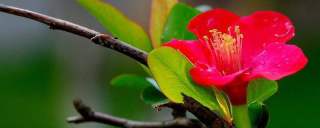
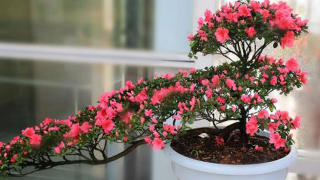
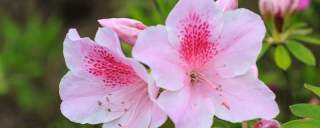
From my perspective as an azalea, blooming is the most energy-intensive process I undertake. My initial spring bloom represents the culmination of a full year's careful energy storage. After I finish that spectacular show, I am exhausted. My immediate priority is not to produce another set of flowers, but to recover. I must channel all my available energy into vegetative growth—creating new leaves and strengthening my branches—to ensure my long-term survival. Forcing me to rebloom prematurely goes against my natural rhythm and can weaken me significantly if not done with care. The key is to work *with* my cycle, not against it.
Your first and most important task is deadheading. Leaving the wilted, brown flowers on my stems is counterproductive for me. If the old blossoms remain, I will begin the process of forming seed pods. Seed production is an even greater drain on my resources than flowering itself. By gently snapping or snipping off the spent flower head just below the base of the bloom, you are sending me a clear signal. You are preventing me from wasting energy on seeds and redirecting that energy back into my system. This conserved energy is the fundamental fuel I will need to even consider setting new flower buds later in the season.
Immediately after my spring bloom, I am nutrient-depleted. This is the time for you to provide a gentle, balanced meal. Look for a fertilizer formulated for acid-loving plants, but ensure it is balanced or slightly higher in nitrogen (the first number on the package, e.g., 10-5-4). Why nitrogen? Because right now, I need to focus on growing strong, healthy leaves. My leaves are my solar panels; the more robust they are, the more energy I can photosynthesize. Avoid high-phosphorus fertilizers (the middle number, which promotes blooming) at this stage, as it can disrupt my natural growth sequence. A single, light application after deadheading is sufficient. Over-fertilizing will force excessive leafy growth at the expense of everything else, including next year's buds.
I set my flower buds for the following year during the long, warm days of mid to late summer. This process is triggered by specific environmental cues. I need abundant, bright but indirect light during this period to manufacture the carbohydrates required for bud formation. However, as autumn approaches and nights grow longer and cooler, a critical change occurs. The shortening daylight hours and a distinct drop in temperature are the non-negotiable signals that tell my internal clock it is time to transition from vegetative growth to bud development. Without this period of cool (but not freezing) temperatures, I will not initiate blooms. This is why indoor azaleas often fail to rebloom—they are kept in consistently warm environments that lack these essential seasonal signals.
My roots are fine and shallow, making me particularly sensitive to water stress. Throughout the growing season, I need consistently moist, well-drained soil. Allowing my roots to sit in water will suffocate them, but letting them dry out completely will cause bud drop and leaf wilt, crippling my ability to function. Furthermore, I am an acid-loving plant. My roots cannot effectively absorb nutrients, especially iron, from alkaline soil. If my leaves start to yellow between the veins (a condition called chlorosis), it is a sign that the soil pH is too high. You can maintain the proper acidic conditions by watering me with rainwater when possible or using a soil acidifier, and mulching with pine needles or oak leaves.
If you need to shape me or control my size, the window for pruning is very short. You must complete any pruning no later than two to three weeks after my spring flowers fade. My new flower buds form on the wood grown in the current season. If you prune me in late summer or fall, you will be cutting off the buds that were destined to become next spring's flowers. Prune me at the right time, and you encourage bushier growth with more sites for potential blooms. Prune me at the wrong time, and you will have a nicely shaped plant with no flowers the following year.