From our roots outward, we yarrow plants are master networkers. Our dense, fibrous root system secretes chemical compounds that act as an invitation to beneficial mycorrhizal fungi. These fungi form a symbiotic relationship with us, extending their hyphal threads far into the soil, acting as an extension of our own root systems. This vast underground network, which we help establish, dramatically increases the area from which neighboring plants can absorb water and vital nutrients like phosphorus. When you plant tomatoes, corn, or fruit trees near us, we connect them to this fungal internet, helping them become more resilient during dry spells and more vigorous in their growth. It is a silent, communal effort beneath your feet.
Our foliage possesses a distinct, pungent aroma—a signature of the complex essential oils we produce. From our perspective, these aromatic compounds are a primary line of defense. They can confuse, repel, or deter certain pest insects from settling in the garden bed. While we may not single-handedly eradicate an infestation, our strong scent creates a sensory barrier that makes it harder for pests like aphids and cabbage moths to locate their target plants. Furthermore, we attract a different kind of insect: predatory wasps and ladybugs. The flat-topped clusters of our tiny flowers are perfect landing pads and nectar sources for these beneficial insects, who then patrol the area and prey upon common garden pests. We are a living beacon for the garden's protectors.
Our roots are deep and persistent, allowing us to mine the subsoil for nutrients that are out of reach for many shallow-rooted companions. We are particularly adept at drawing up minerals like potassium, calcium, and copper. When you cut back our foliage—a practice we encourage—these nutrients are returned to the topsoil as the leaves decompose, making them readily available for plants growing nearby. This process, known as dynamic accumulation, essentially turns us into a living, self-renewing fertilizer factory. We also play a role in building healthy soil structure. Our network of roots helps to break up compacted earth, improving aeration and water infiltration for all the roots that share our space.
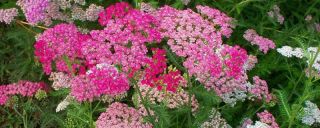
Our flower umbels, composed of hundreds of tiny individual blossoms, are designed for maximum efficiency. Their broad, flat shape and white-to-pinkish color act as a brilliant signal flag for pollinators. Bees, butterflies, and hoverflies find our blooms irresistible. By planting us near fruiting vegetables like squash, cucumbers, and berries, or near seed-producing plants, you are ensuring a constant traffic of pollinators. As these beneficial insects visit us for nectar and pollen, they will also frequent the flowers of our companions, significantly increasing fruit set and seed production. We are a central pollinator station, boosting the reproductive success of the entire plant community.
We thrive in full sun and well-drained soil, and we are compatible with many plants that share these preferences. We are excellent neighbors for aromatic herbs like lavender and rosemary, as our combined scents create a powerful pest-deterrent zone. We also support the growth of brassicas like cabbage and broccoli by repelling their common pests. Our ability to improve nutrient uptake benefits heavy feeders like tomatoes and corn. However, we are not suitable companions for plants that require consistently moist, rich soil or shade, as our presence and growth habits may create too much competition. We are sun-worshippers and soil-enrichers, best placed with plants that appreciate our robust and generous nature.