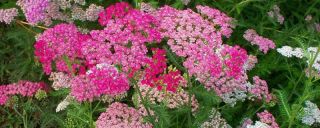
From my perspective as a yarrow plant (Achillea millefolium), my greatest gift to the pollinating world is the design of my blossoms. What may appear to you as a single, flat-topped cluster is, in fact, a complex landing platform composed of hundreds, even thousands, of tiny individual flowers packed tightly into what is called an inflorescence. This compound umbel structure is ideal for insects. It provides a stable, wide surface for them to land on and walk across, allowing for efficient foraging. Unlike deep, tubular flowers that require specialized mouthparts, my shallow, open florets are accessible to a vast array of pollinators, from the tiniest solitary bees to the most robust bumblebees and beyond. I am an all-you-can-eat buffet, not an exclusive restaurant.
The primary reason pollinators flock to me is the reliable nourishment I offer. My nectar is a rich source of sugars, providing the essential energy pollinators need for flight and survival. Simultaneously, my flowers produce abundant pollen, which is a crucial source of protein and fats, especially for feeding larval bees back in their nests. Because my individual florets open sequentially over a long period, I am not a one-day wonder. A single cluster can provide sustenance for weeks, ensuring that pollinators have a consistent food source. This extended blooming period, often from late spring through early fall, bridges gaps when other floral resources may be scarce, making me a cornerstone species in the garden ecosystem.
To attract my aerial allies from a distance, I employ visual and olfactory signals. My classic flower heads are most often a bright, creamy white, a color highly visible to many insects. However, through cultivation, I also appear in vibrant shades of yellow, pink, and red, broadening my visual appeal. More importantly, I release a distinctive, pungent aroma from my feathery foliage and flowers. This herbaceous scent acts as a powerful olfactory beacon, guiding pollinators directly to the reward I hold. While perhaps subtle to the human nose, this chemical signal is a clear advertisement in the pollinator world, announcing that a valuable resource is available here.
My benefits extend beyond just bees and butterflies. By providing a stable platform and a reliable food source, I attract and support a wide range of beneficial insects that contribute to a healthy garden. Predatory wasps, hoverflies, and ladybugs are frequent visitors. These insects are natural predators of common garden pests like aphids and caterpillars. By offering them nectar and pollen, I help sustain their populations, which in turn provides a form of natural pest control for the surrounding plant community. Furthermore, I am a known host plant for the larvae of several moth and butterfly species, supporting the complete life cycle of these beautiful pollinators.
Finally, my inherent toughness as a plant translates directly into reliable support for pollinators. I am deeply drought-tolerant once established, thanks to my fibrous root system. This means that even during hot, dry summers when other flowers may wilt and fail, I continue to thrive and produce nectar. I am adaptable to a wide range of soil conditions, from poor to moderately fertile, and I flourish in full sun. This resilience makes me a dependable haven. Pollinators can count on me year after year, regardless of challenging weather conditions, ensuring they always have a place to refuel and prosper.