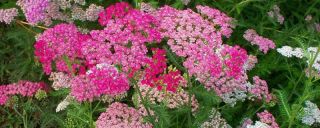
From my perspective, my roots are my lungs and my mouth. They need to breathe oxygen from the air spaces in the soil, just as much as they need to drink water. When you water me too often, or if I am planted in heavy, compacted soil that does not drain well, those precious air pockets fill with water. My roots begin to suffocate. They cannot function properly and start to rot, turning soft and brown. When my root system is damaged, it cannot transport water and essential nutrients up through my stems to my leaves. The result is that my leaves, starting with the older, lower ones, will turn a pale, sickly yellow as they starve. This is often the first and most urgent cry for help. I am a tough, drought-tolerant plant; I much prefer my soil to be on the dry side than constantly wet.
While overwatering causes a general shutdown of nutrient uptake, sometimes the soil itself is lacking specific key elements. The yellowing of my leaves can be a precise message about what I am missing. If the yellowing is most pronounced between the veins of the leaves, while the veins themselves stay green, this often signals a deficiency in iron or manganese. This is more common in soils that are very alkaline (high pH), as I prefer a neutral to slightly acidic soil. Alternatively, if my older leaves are turning yellow first, starting from the tips and edges, it might mean I need more nitrogen. Nitrogen is a mobile nutrient, so if it is in short supply, I will move it from my older leaves to support new growth, sacrificing the old ones. A lack of magnesium can also cause a similar interveinal yellowing on older leaves.
Even though I am known for my pest-resistant qualities, I am not completely invincible. Tiny, sap-sucking insects like aphids or spittlebugs can sometimes cluster on my stems and the undersides of my leaves. They pierce my tissues and drain my vital fluids, which can cause the affected leaves to yellow, curl, and weaken. More seriously, fungal diseases like powdery mildew or rust can attack me, especially if the conditions around me are too humid and there is not enough air circulation. These fungi manifest as white powdery spots or orange pustules on my leaves, disrupting their ability to photosynthesize and leading to yellowing and die-back.
As a perennial, I naturally spread and form larger clumps each year. If I have been in the same spot for many seasons, I may have become severely overcrowded. My roots are competing fiercely with each other for space, water, and nutrients. This intense competition can lead to yellowing leaves as some parts of me are simply outcompeted. Furthermore, my location matters greatly. If I am planted in deep, dense shade, I will become leggy and weak as I strain for sunlight. My leaves will yellow because they are not receiving the light energy they need to create food. Conversely, while I love full sun, an extreme, sudden heatwave combined with drought might cause some stress-induced yellowing, though this is less common.
Finally, it is important to consider the season. As autumn approaches and the days grow shorter, my life cycle begins to wind down. The energy I have gathered throughout the summer is being directed back to my crown and roots to prepare for winter dormancy. It is perfectly natural for my older, outer leaves to yellow and die back at this time of year. This is not a cause for alarm but a normal part of my yearly rhythm. You can simply trim these away to keep me looking tidy.