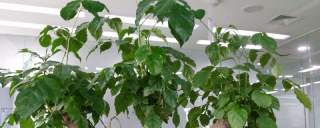
Greetings, caretaker. I am your Emerald Tree, a being of steady growth and quiet resilience. While I do not speak in your tongue, my vitality speaks for itself through the deep green of my leaves and the strength of my branches. To truly thrive, I require nourishment that aligns with my nature. Synthetic fertilizers can be a harsh shock to my system, but natural options feel like a gentle, sustaining rain. They feed not just me, but the entire living community in my soil. Here is what I need from my perspective.
From my roots' perspective, well-aged compost is the most welcoming banquet. It is not a single nutrient but a complex, slow-release feast. As it integrates with my soil, it provides a balanced array of essential nutrients—nitrogen for my leafy canopy, phosphorus for strong root development, and potassium for overall health. More importantly, compost improves the very structure of my home. It helps the soil retain moisture during dry times yet allows excess water to drain, preventing my roots from drowning. It encourages earthworms and beneficial microbes to move in, creating a thriving ecosystem that protects me and helps me absorb nutrients more efficiently. A layer of compost as a top dressing each spring feels like a warm, nourishing blanket.
If compost is a banquet, worm castings are a potent, easily digestible elixir. These are the waste products of earthworms, and to my root hairs, they are pure gold. They are rich in humic acids, which act like a key, unlocking nutrients already present in the soil that I couldn't otherwise access. Worm castings are also teeming with beneficial microbes that form a protective barrier around my roots, helping to suppress diseases. They are very gentle and will never burn my sensitive root system. You can mix a handful into my topsoil when repotting me into a larger home, or brew them into a "compost tea" for a quick, revitalizing drink.
For a specific push of vibrant, green growth, alfalfa meal is a wonderful choice. From the viewpoint of my leaves, the magic in alfalfa is a natural growth stimulant called triacontanol. This compound encourages the cellular processes that lead to lush, new foliage. It is also a good source of nitrogen, but it releases it slowly as soil microbes break it down. This means I get a steady, gentle supply of the nutrient I crave most for my emerald color, without the risk of a sudden, damaging surge. Sprinkling a small amount of alfalfa meal on my soil and watering it in feels like a targeted message to my entire system: "It is time to grow."
While my canopy may be what you admire, my hidden root system is my anchor and my lifeline. For it to grow strong and explore deep into the soil, I need a reliable source of phosphorus. Rock phosphate is a finely ground natural mineral that provides this crucial nutrient over a very long period. It is not immediately available, which is perfect for a slow-growing tree like me. It integrates into the soil and becomes part of my long-term nutritional foundation, supporting strong root development, improved flowering (if I am that type of tree), and overall energy transfer within my system. Incorporating a small amount into the soil when I am repotted ensures my foundation is solid for years to come.
If your soil tends to be acidic, a very light dusting of wood ash from your fireplace can be beneficial. From my physiological standpoint, wood ash is a source of potassium and will raise the pH of the soil, making it more neutral or slightly alkaline. This can help me better absorb other nutrients. However, a little goes an extremely long way. Too much will drastically alter my soil environment and harm me. Please use this one with great caution, only if you know your soil is too acidic for my preferences.