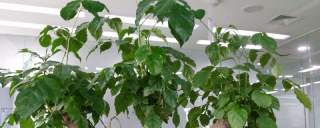
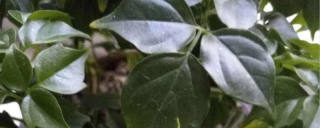
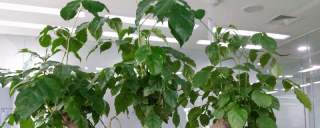
While all plants engage in photosynthesis, the Emerald Tree (a common name often referring to plants like the 'Emerald Green' Arborvitae or various robust Ficus species) offers significant air-scrubbing capabilities due to its specific biological functions. Through the process of photosynthesis, the plant absorbs carbon dioxide and releases life-sustaining oxygen, increasing the oxygen levels in your home environment. More importantly, it performs phytoremediation. Its leaves, with their substantial surface area, absorb volatile organic compounds (VOCs) such as formaldehyde, benzene, and xylene, which are commonly off-gassed from furniture, carpets, and cleaning products. These toxins are then broken down and neutralized within the plant's tissues or transported to the root system where they are metabolized by soil microbes. This makes the Emerald Tree a natural, self-sustaining air purification system.
The Emerald Tree contributes to a more comfortable indoor climate through its natural transpiration cycle. This is the process where water absorbed by the roots is carried through the plant and evaporates from the leaf surfaces (stomata). A large, leafy plant like an Emerald Tree releases a considerable amount of moisture vapor into the air. This act of natural humidification is particularly beneficial in environments with dry air caused by heating or air conditioning systems. By increasing ambient humidity, the plant can help alleviate dry skin, sore throats, and dry coughs. This regulation creates a microclimate that is not only more comfortable for humans but also better for other humidity-sensitive plants in the vicinity.
From a botanical perspective, the very structure of the Emerald Tree—its sturdy trunk, upward-reaching branches, and vibrant green foliage—triggers a positive biophilic response in humans. The color green, a result of the chlorophyll pigment essential for capturing light energy, is psychologically calming and associated with nature, growth, and tranquility. Caring for the plant, by observing its soil moisture, checking for new growth, and ensuring it has adequate light, provides a mindful, rewarding routine. This interaction can reduce stress levels and improve mood. Furthermore, the plant's presence can help dampen background noise, as its leaves absorb, diffract, and reflect sound waves, contributing to a quieter, more serene atmosphere conducive to concentration and relaxation.
Many plants sold as "Emerald Trees" are selected for their adaptability and resilience as houseplants. Species like the Ficus benjamina or various hardy Dracaenas have evolved to be tolerant of a range of light conditions, from bright, indirect light to partial shade. Their root systems are efficient at water and nutrient uptake, allowing them to withstand occasional periods of drought. This biological hardiness translates to low maintenance for the owner. Their consistent and relatively slow growth habit means they provide long-term benefits without frequent pruning or repotting. This ease of care reduces the potential for stress associated with keeping more delicate plants, ensuring that the benefits of having the plant outweigh the effort required to maintain it.
As a woody-stemmed plant, the Emerald Tree provides a strong vertical element and structural interest to indoor spaces. Its growth pattern, determined by its apical meristems (growing tips) and vascular system, creates a defined shape that can be used to soften architectural lines or fill empty corners. Botanically, the plant is a dynamic living sculpture that changes subtly over time with new leaf emergence and gradual growth. It can act as a natural room divider, using its own physical presence to define spaces without building solid walls. This ability to improve the aesthetics and flow of a room stems directly from the plant's innate form and the life it brings to an otherwise static environment.