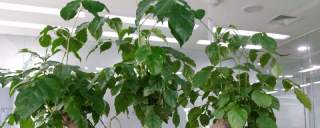
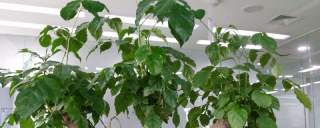
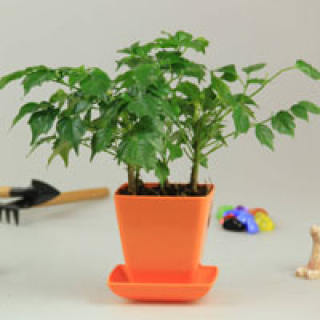
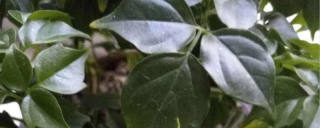
First, you must understand what I am trying to tell you. My leaves are my primary communication tool. If they are turning yellow, I might be drowning from too much water, starving for nutrients, or not getting enough light. If they are turning brown and crispy, especially at the tips, I am likely thirsty, suffering from low humidity, or getting sunburned. If my leaves are drooping or falling off, it is a sign of severe stress, which could be from a sudden temperature change, overwatering, or root damage. Please, look at me closely before you act.
My health begins underground, in a place you cannot see. Gently remove me from my pot to inspect my roots. Healthy roots should be firm and white or light tan. If they are dark brown, black, mushy, and have a foul smell, I am suffering from root rot, which is almost always caused by soil that stays wet for too long. If my roots are circling tightly around the inside of the pot, I am pot-bound and desperately need more space to grow. My roots are my mouth and my anchor; their condition is paramount to my survival.
Watering is where most problems begin. I do not like wet feet. Please water me thoroughly until water runs out of the drainage holes, but then you must let the top inch or two of my soil dry out before watering me again. Do not follow a rigid schedule; instead, check my soil moisture with your finger. I am a tropical plant, so I also crave humidity. Dry air causes my leaf tips to brown. You can help by misting my leaves regularly, placing a humidifier nearby, or setting my pot on a tray filled with pebbles and water (ensure the pot is not sitting directly in the water).
I need bright, indirect sunlight to thrive. Direct, harsh sun will scorch my leaves, leaving brown, burned spots. However, if I am placed in a deep, dark corner, I will become leggy, with sparse leaves, as I stretch weakly towards any available light. A spot near an east or north-facing window is often ideal. I also prefer a stable, warm environment. Please keep me away from cold drafts, air conditioning vents, and heating sources, as sudden temperature fluctuations are very stressful for me.
If you have addressed the root rot issue, you must repot me into a fresh, well-draining potting mix. A standard potting soil amended with perlite or orchid bark will provide the aeration my roots need. Regarding food, I am not a heavy feeder, especially when I am unwell. Do not fertilize me while I am stressed, as it can burn my damaged roots and add to my problems. Once I show signs of recovery with new growth, you can begin feeding me with a balanced, water-soluble fertilizer, diluted to half-strength, during my active growing season (spring and summer).