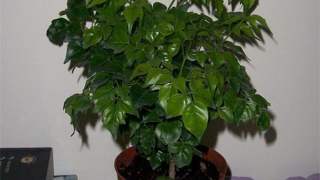
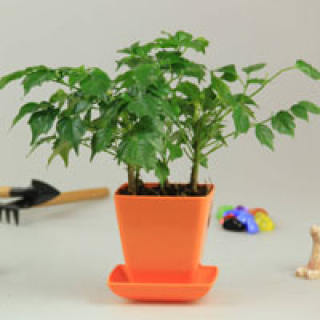
The common name "Emerald Tree" is most frequently applied to two distinct but visually similar plants: the Emerald Green Arborvitae (Thuja occidentalis 'Smaragd') and the Emerald Cedar (a cultivar of Thuja plicata). Both are evergreen conifers prized for their dense, bright green, columnar foliage that maintains its color throughout the year. From a botanical perspective, these trees are adapted to specific environmental conditions. They are temperate zone plants that require a distinct cold dormancy period to thrive. Their root systems are relatively shallow and fibrous, preferring consistently moist but well-drained soils. They are intolerant of both prolonged drought and waterlogged conditions. Furthermore, they perform best in full sun exposure, which is crucial for developing their characteristic dense foliage and robust form.
The USDA Plant Hardiness Zone Map is the primary tool for determining a plant's survivability in the outdoor climate of the United States. It divides North America into zones based on the average annual extreme minimum winter temperature. This metric is vital for trees like the Emerald Arborvitae and Cedar because it indicates whether they can withstand the coldest temperatures a region typically experiences. A hardiness zone rating does not account for summer heat, humidity, or rainfall patterns, but it is the fundamental starting point for assessing winter hardiness. Planting a tree in a zone colder than its rating significantly increases the risk of winter injury or death, as the plant's tissues are not equipped to survive such low temperatures.
The specific hardiness zone range depends on which "Emerald Tree" you are considering. The widely planted Emerald Green Arborvitae (Thuja occidentalis 'Smaragd') is rated for USDA zones 3 through 7. This means it can survive winter lows down to -40°F (-40°C) in zone 3 and is well-suited to the cold winters of the Midwest, Northeast, and Upper South. In contrast, many cultivars sold as Emerald Cedar, derived from the Western Redcedar (Thuja plicata), are typically rated for zones 5 through 7, sometimes extending into zone 8. These trees are less tolerant of the extreme cold found in zone 3 but can handle the warmer winters of the Pacific Northwest and Mid-Atlantic states more comfortably.
Attempting to grow an Emerald Tree outside its recommended hardiness range presents significant physiological challenges. In zones warmer than 7 or 8 (e.g., the Deep South or Southern California), the tree faces stress from excessive heat and insufficient winter chilling. This can lead to stunted growth, sparse foliage, and increased susceptibility to pests like spider mites that thrive in hot, dry conditions. The tree may not enter proper dormancy, leading to metabolic dysfunction. Conversely, in zones colder than 3, the extreme frost can cause severe die-back, cambium damage (the vital layer under the bark), and ultimately kill the tree. Winter desiccation is also a major threat in windy, cold areas where the tree loses water through its needles but cannot replace it from the frozen ground.
While hardiness zones provide a essential guideline, microclimates can create localized conditions that differ from the broader zone rating. A sheltered urban garden, a south-facing wall that absorbs heat, or a location protected from harsh winds might allow an Emerald Tree to survive in a zone 8 area even if its rating is zone 7. Conversely, an exposed, windy hilltop in zone 5 might feel like a much colder zone to the plant. Therefore, successful cultivation depends not only on the zone but also on careful site selection. Planting in well-drained soil, providing adequate water—especially during the first few years of establishment and during dry periods—and applying a layer of mulch to insulate the roots are critical practices for helping the tree cope with minor climatic stresses within its acceptable zone range.