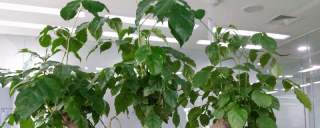
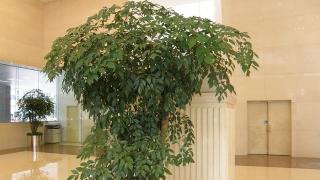
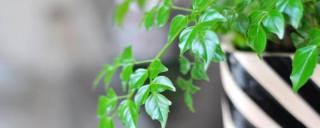
From my perspective as an emerald tree, the appearance of brown, crispy tips on my leaves is a clear signal of distress. It is my primary way of communicating that my internal systems are out of balance. This browning, known as leaf scorch, is not a disease itself but a symptom of an underlying issue affecting my ability to sustain my foliage. Let me explain the primary causes from my point of view.
This is the most common cry for help I send. My roots are designed to absorb water and transport it through my vascular system to every leaf tip. When the soil becomes too dry, this internal water column breaks, and the farthest points—the leaf tips—are the first to suffer dehydration and die. Conversely, if my pot has no drainage or I am watered too frequently, my roots suffocate in waterlogged soil. Rotting roots cannot absorb water at all, leading to the same outcome: drought stress within a waterlogged environment. The brown tips are a desperate plea for a consistent moisture level where my roots have access to both water and oxygen.
My root system is sensitive to the chemical composition of the soil. Tap water often contains salts, fluoride, and chlorine. Over time, these minerals build up in the soil because I can only use the water, not the salts. These accumulated salts create a hostile environment for my roots, making it harder for me to take up water and essentially causing a chemical burn. The same can happen with an over-application of fertilizer. The excess salts from the fertilizer draw water out of my root cells, reversing the natural flow and leading to tip burn. You might see a white crust on the soil surface, which is a visible sign of this salt buildup.
As a tropical plant, my leaves are adapted to a humid atmosphere. In a dry home environment, especially near heating vents or during winter, the rate of water loss from my leaves (transpiration) can exceed the rate at which my roots can supply it. The leaf edges and tips, being the most exposed, dry out and turn brown. Similarly, a sudden draft from a cold window or a blast of hot, dry air from a heater can shock my systems, causing localized cell death that manifests as browning. I thrive in a stable, humid environment that mimics my natural habitat.
As I grow, my root system expands to support my increasing canopy. If I remain in the same pot for too long, my roots become densely packed, or "pot-bound." This dense root mass has very little soil left to hold water and nutrients. It becomes difficult for me to take up sufficient resources to sustain all my leaves, and the tips will often brown as a result. This is a sign that I need more space for my foundation to grow.
To help me, first, trim the brown tips with sterile scissors, following the natural leaf shape, to improve my appearance and prevent further stress. Next, establish a consistent watering routine. Check my soil moisture by feeling it a couple of inches down; water me thoroughly only when it feels dry, and always ensure excess water can drain freely. Flush my soil every few months by running slow, steady water through the pot for several minutes to wash away accumulated salts. Increase humidity around me by grouping me with other plants, using a pebble tray with water, or a humidifier. Finally, if my roots are circling the inside of the pot, it is time to repot me into a container that is only one or two inches larger, giving my roots fresh, well-draining soil to explore.