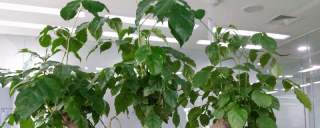
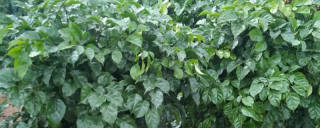
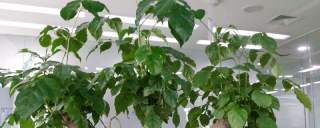
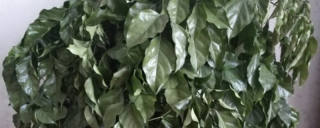
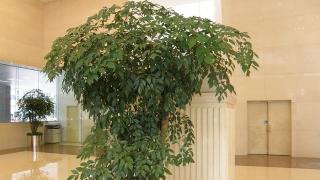
The term "Emerald Tree" is a common name that can refer to several different houseplants, most notably the Emerald Ripple Peperomia (Peperomia caperata) and the Norfolk Island Pine (Araucaria heterophylla). For the purpose of this guide, we will address the most common interpretations, as their pet-friendliness varies significantly. Understanding the plant's specific characteristics is key to ensuring your pet's safety.
Before assessing safety, you must correctly identify your plant. The "Emerald Ripple Peperomia" is a small, compact plant with deeply ridged, heart-shaped leaves, often grown for its attractive foliage. The "Norfolk Island Pine," on the other hand, is a coniferous tree that resembles a miniature pine tree, often used as a holiday decoration. Their biological makeup and, consequently, their toxicity to pets are entirely different. Misidentification is a primary cause of pet poisoning, so always verify your plant's scientific name.
From a botanical perspective, the Emerald Ripple Peperomia is considered non-toxic to both cats and dogs. This classification, often cited by organizations like the ASPCA, means the plant does not contain known chemical compounds (such as insoluble calcium oxalates, saponins, or alkaloids) that are poisonous to pets. If a curious cat or dog nibbles on a leaf, it is unlikely to cause a life-threatening reaction. The plant's cellular structure and chemical composition are not inherently dangerous. However, it is important to note that any plant material, even from a non-toxic species, can cause mild physical irritation to the mouth or stomach, potentially leading to drooling or a brief upset stomach, especially if a large amount is consumed.
In contrast to the Peperomia, the Norfolk Island Pine presents a different profile. According to the ASPCA and other pet safety resources, this plant is also generally considered non-toxic to cats and dogs. It does not contain the potent toxins found in truly dangerous plants like lilies or sago palms. However, from a physical standpoint, the plant can still be a hazard. The needles are sharp and pointy. If ingested, these rigid structures can cause mechanical injury to the soft tissues of the mouth, throat, and gastrointestinal tract. This physical irritation can lead to symptoms like drooling, vomiting, or diarrhea. The sap of the tree may also cause minor dermal or oral irritation.
Beyond specific toxicity, several risks are inherent to almost all houseplants, including those labeled "Emerald Tree." First, the soil in the pot can harbor mold or bacteria, which may cause illness if ingested by a pet. Second, the use of pesticides, fertilizers, or other chemical treatments on the plant can be highly toxic. A plant that is botanically non-toxic can become dangerous if it has been recently sprayed. Third, a pet playing around a large plant can knock it over, causing injury from the pot or the plant itself. Therefore, even with a non-toxic plant, supervision and strategic placement are crucial components of pet safety.