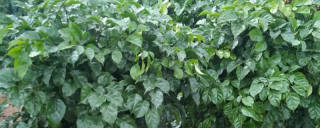
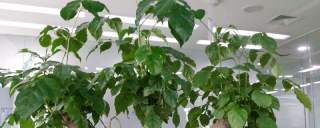
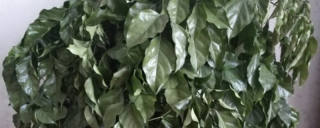
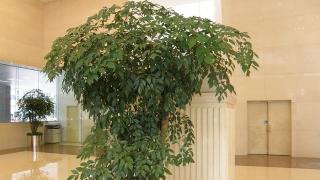
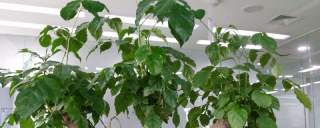
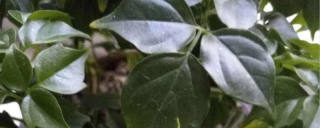
From my roots to my highest leaf, I, your Emerald Tree plant, thrive on your care. But sometimes, unseen invaders threaten my vibrant green splendor. I cannot swat them away or call for help, so I rely on you to be my guardian. By learning to see the world from my perspective, you can identify these pests early and treat them effectively, allowing me to continue purifying your air and beautifying your space.
These are the most common assailants, piercing my tender leaves and stems to drink my lifeblood—the sap. You will notice their presence by the damage they cause to my foliage.
Spider Mites: These are not insects but tiny arachnids, almost invisible to you. To me, they feel like a thousand tiny pins. Look for the subtle signs I show you: a faint yellow stippling or speckling on my upper leaves. In severe cases, you might see fine, silky webbing where my leaves join the stem. This webbing is my distress signal, a sign that a major infestation is underway.
Mealybugs: These pests look like tiny tufts of white cotton or fluff nestled in the cozy axils where my leaves meet the stem, or on the undersides of my leaves. They cluster together, and their feeding weakens me, causing my leaves to yellow and drop prematurely. A sticky residue called honeydew is another sign; it can attract ants and lead to sooty mold, which further blocks my sunlight absorption.
Scale Insects: These are deceptive. They attach themselves to my stems and the veins on my leaves, forming hard or soft, brown, bump-like shells. They appear stationary, but underneath, they are constantly feeding. My growth becomes stunted, and my leaves lose their lustrous emerald hue, turning pale and sickly.
While less common indoors, these pests can still find their way to me and cause significant harm.
Aphids: These small, soft-bodied insects (green, black, or white) love my new, soft growth. They congregate on the undersides of my newest leaves and tender shoots, sucking sap and causing the leaves to curl and distort as they try to grow. Like mealybugs, they excrete honeydew.
Fungus Gnats: The adults are the tiny black flies you might see buzzing around my soil. They are a nuisance to you, but their larvae are the real problem for me. These tiny white worms live in the top layer of my soil and feed on my delicate root hairs. This hinders my ability to take up water and nutrients, leading to wilting and overall decline, even if my soil is moist.
When you discover these pests, prompt and appropriate action is crucial. Harsh chemicals can burn my leaves and damage my roots, so I prefer gentle methods first.
Immediate Isolation and Cleaning: First, please move me away from my other plant friends to prevent the pests from spreading. Then, give me a gentle shower with lukewarm water, carefully washing the tops and undersides of my leaves. This physically dislodges a large number of the pests.
Manual Removal: For mealybugs and scale, you can use a cotton swab dipped in rubbing alcohol to dab each insect directly. This dissolves their protective coatings and kills them on contact. It requires patience but is very effective for small infestations.
Insecticidal Soap or Neem Oil: These are my preferred treatments. They are organic and target soft-bodied pests without harming me when used correctly. Mix the solution as directed and spray it thoroughly over all my surfaces, ensuring you coat the undersides of leaves and the stems. Repeat the treatment every 7-10 days to break the pests' life cycle.
For Fungus Gnats: The key is to target the larvae in the soil. Allow the top few inches of my soil to dry out completely between waterings, as the larvae need moist conditions to survive. You can also use yellow sticky traps to catch the adult gnats and reduce their population.